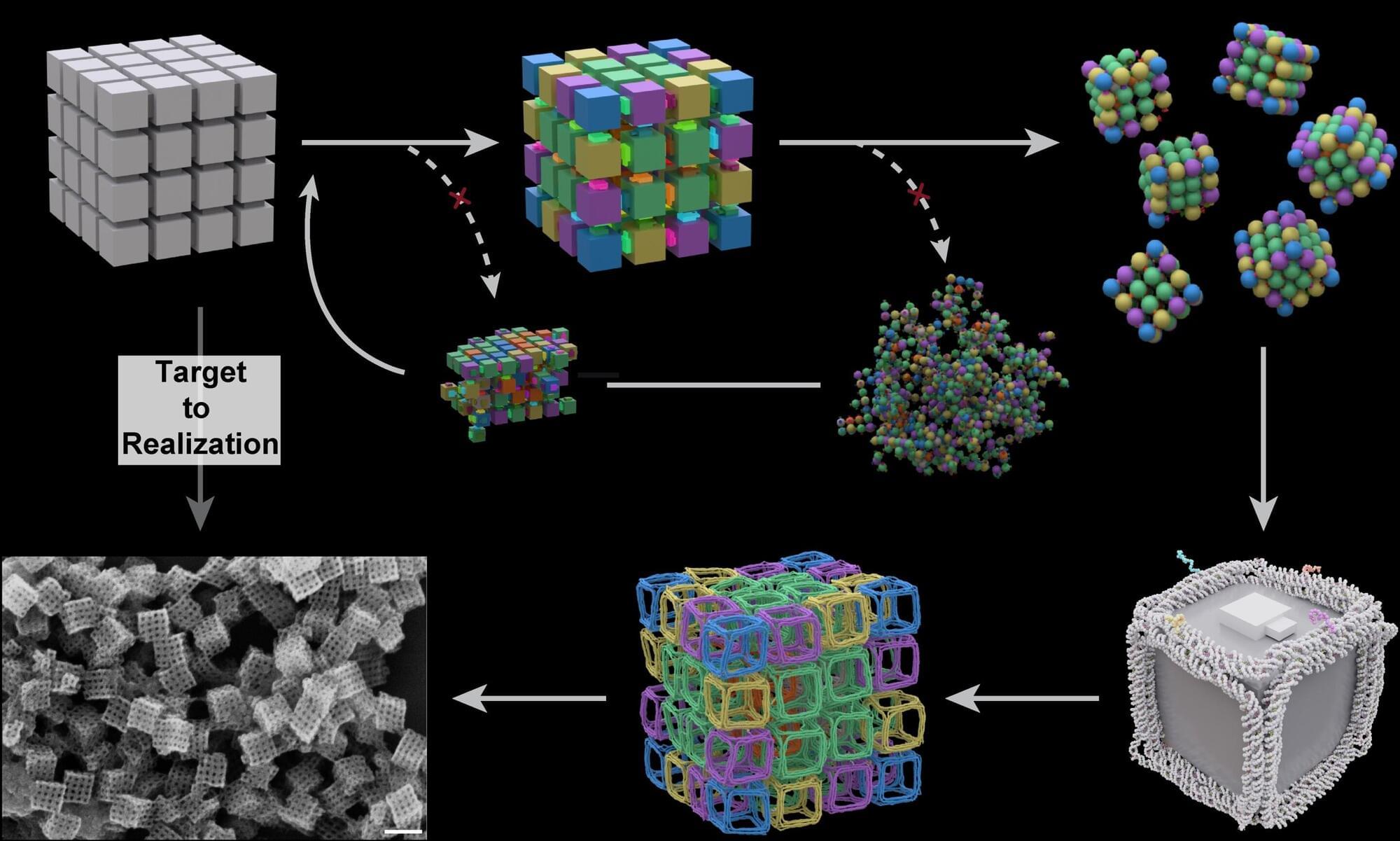
Associate professor Petr Sulc and his research team have developed a programmable DNA-based building system that could open new possibilities for nanorobots, three-dimensional electronics and next-generation nanotechnology.
What if you could build almost anything you imagined simply by designing a set of tiny building blocks, putting them in a container and shaking them until they assembled themselves into the desired shape?
It sounds a bit like playing Minecraft. But instead of constructing virtual worlds with digital cubes, researchers are bringing that concept to life at a scale almost unimaginably small—using DNA.