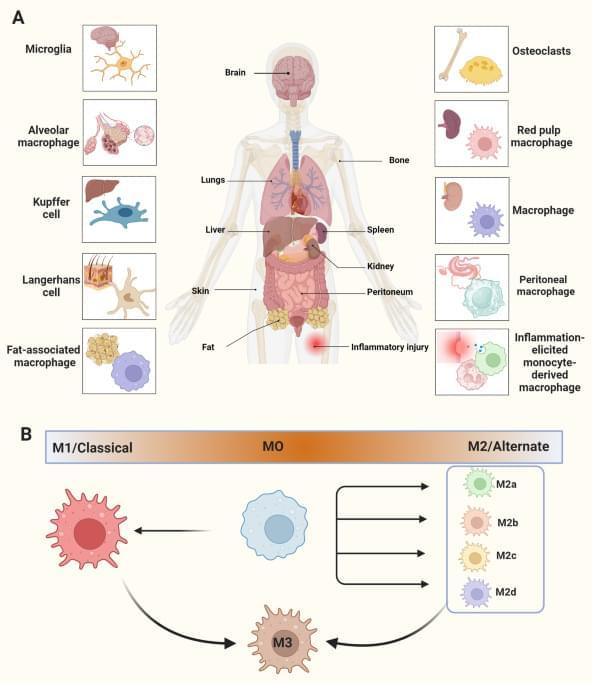
Senile osteoporosis (SOP) is an age-related metabolic bone disease characterized by reduced bone quality and increased fracture risk, closely associated with immune senescence. Among immune components in the bone marrow niche, macrophages undergo age-associated phenotypic and functional changes that may impair bone homeostasis; however, whether these changes reflect bona fide senescence, inflammatory activation, or polarization remains unclear. This review summarizes the biological characteristics of senescent macrophages, including alterations in senescence markers, senescence-associated secretory phenotype (SASP), epigenetic modifications, and telomere dynamics. It then outlines their functional changes, focusing on oxidative stress, autophagy, and metabolic dysregulation.