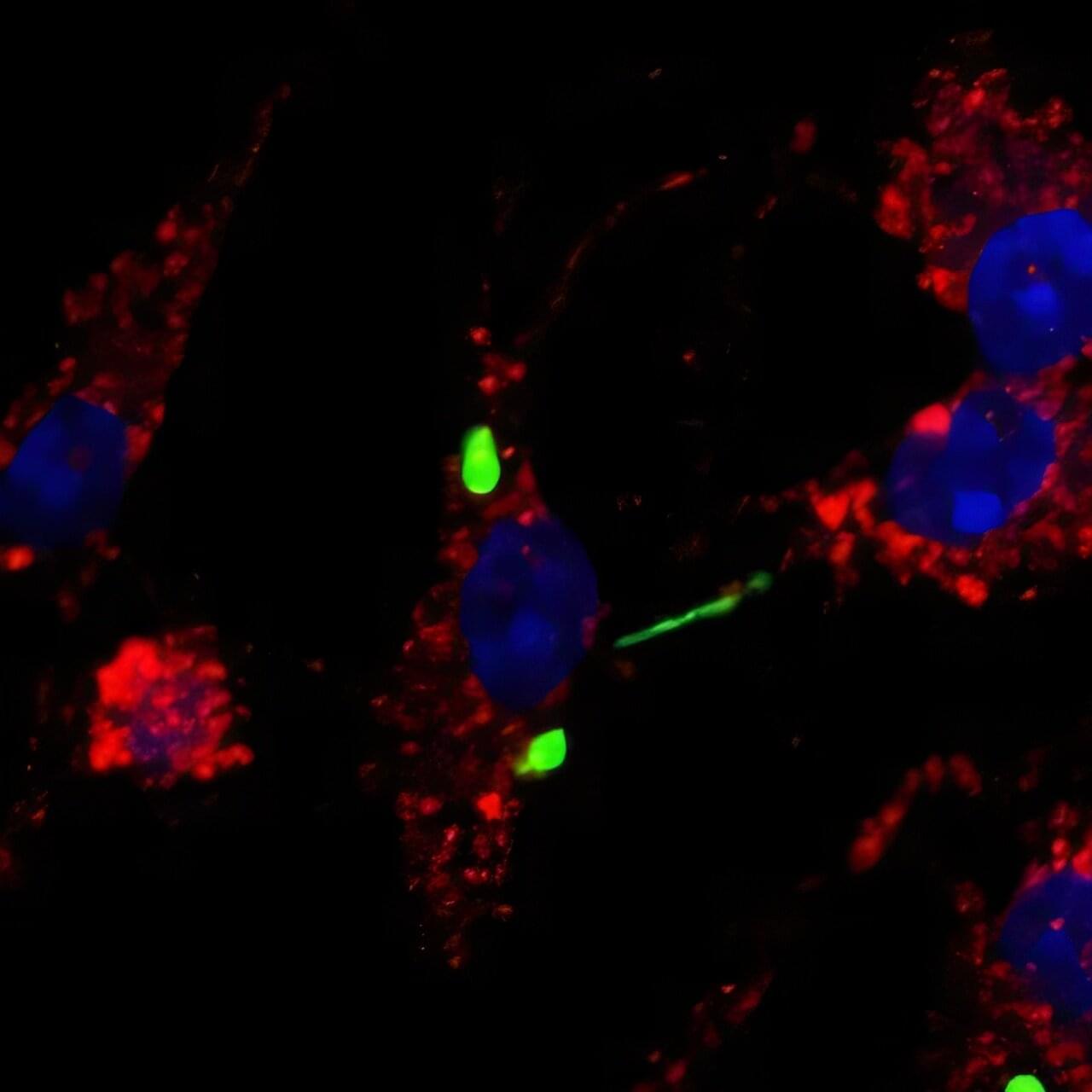
A new study led by researchers at Tufts University School of Medicine suggests that infection with Borrelia burgdorferi, the bacterium that causes Lyme disease, can leave lasting changes in the immune system, even after the infection is treated. The changes occur in the bone marrow, where many of the body’s immune cells are made, potentially altering how the immune system responds to future threats.
The findings, published in iScience, offer new clues into how an infection might have effects that persist after the bacteria are gone. The researchers say the work ultimately could help identify biological markers associated with prolonged symptoms after Lyme disease and point to potential treatment targets.
“A lifetime of infections and inflammatory exposures creates little editing marks, called epigenetic changes, in the immune system’s record of all it has encountered so far,” said Tanja Petnicki-Ocwieja, the study’s senior author and a research assistant professor of molecular biology and microbiology at the School of Medicine. “Our study found that epigenetic changes in the bone marrow imprinted by Borrelia burgdorferi infection may essentially revise the immune system’s ‘biography’ and how it responds over time.”