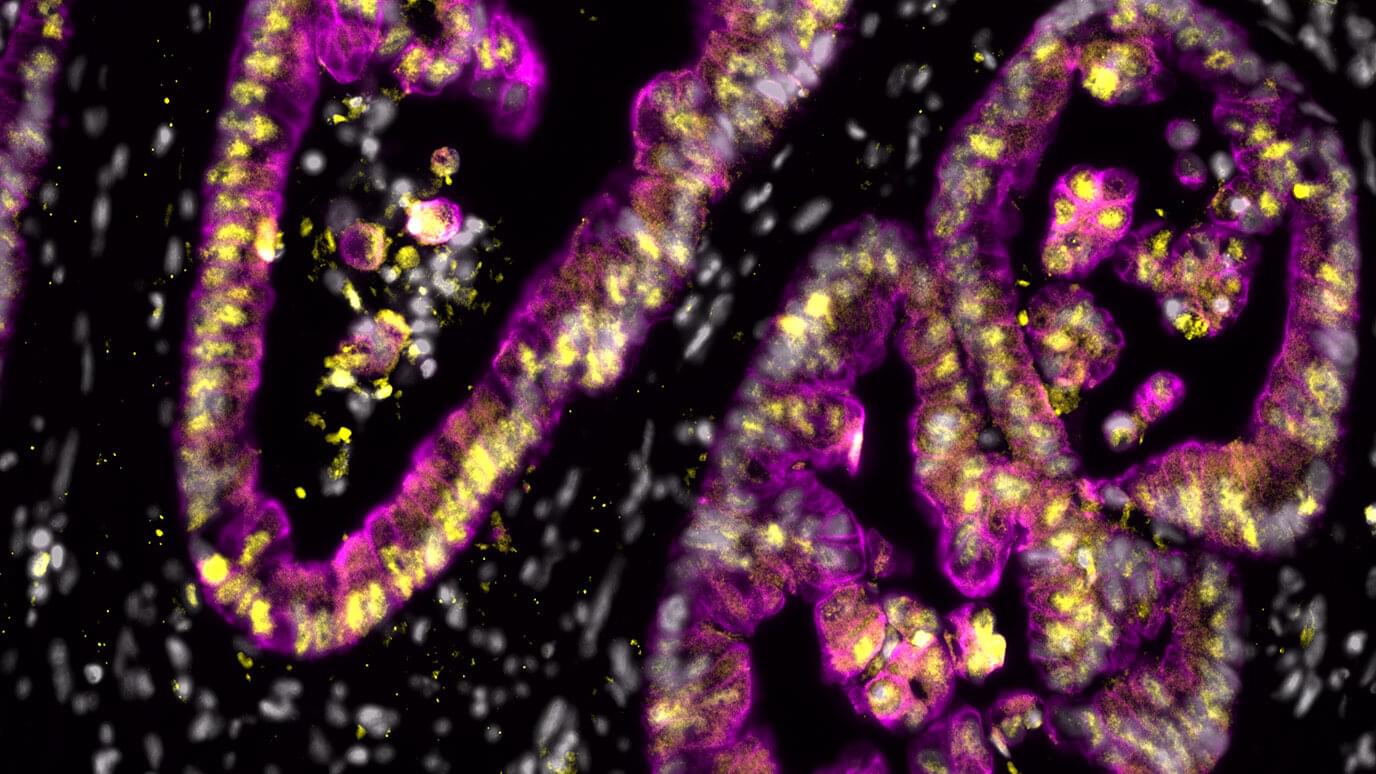
Researchers from The University of Texas MD Anderson Cancer Center have discovered that the IL-18 inflammatory protein helps pancreatic tumors grow and evade the immune system, highlighting its potential as a therapeutic target for pancreatic cancer.
Reducing levels of IL-18 in preclinical models reshaped the tumor microenvironment, slowed tumor growth, improved survival and enhanced the effects of KRAS-targeted therapies.
The study, published in Gastroenterology, was co-led by Yang Chen, Ph.D., assistant professor of Translational Molecular Pathology, and Xinlei Sun, Ph.D., postdoctoral fellow in Translational Molecular Pathology.