The small intestine is constantly in flux. This 20-foot-long (6.1-meter-long) tube is lined with structures that absorb the nutrients during digestion. The cells at the tip of these structures are continuously replaced, but how they stay organized has not been well understood.
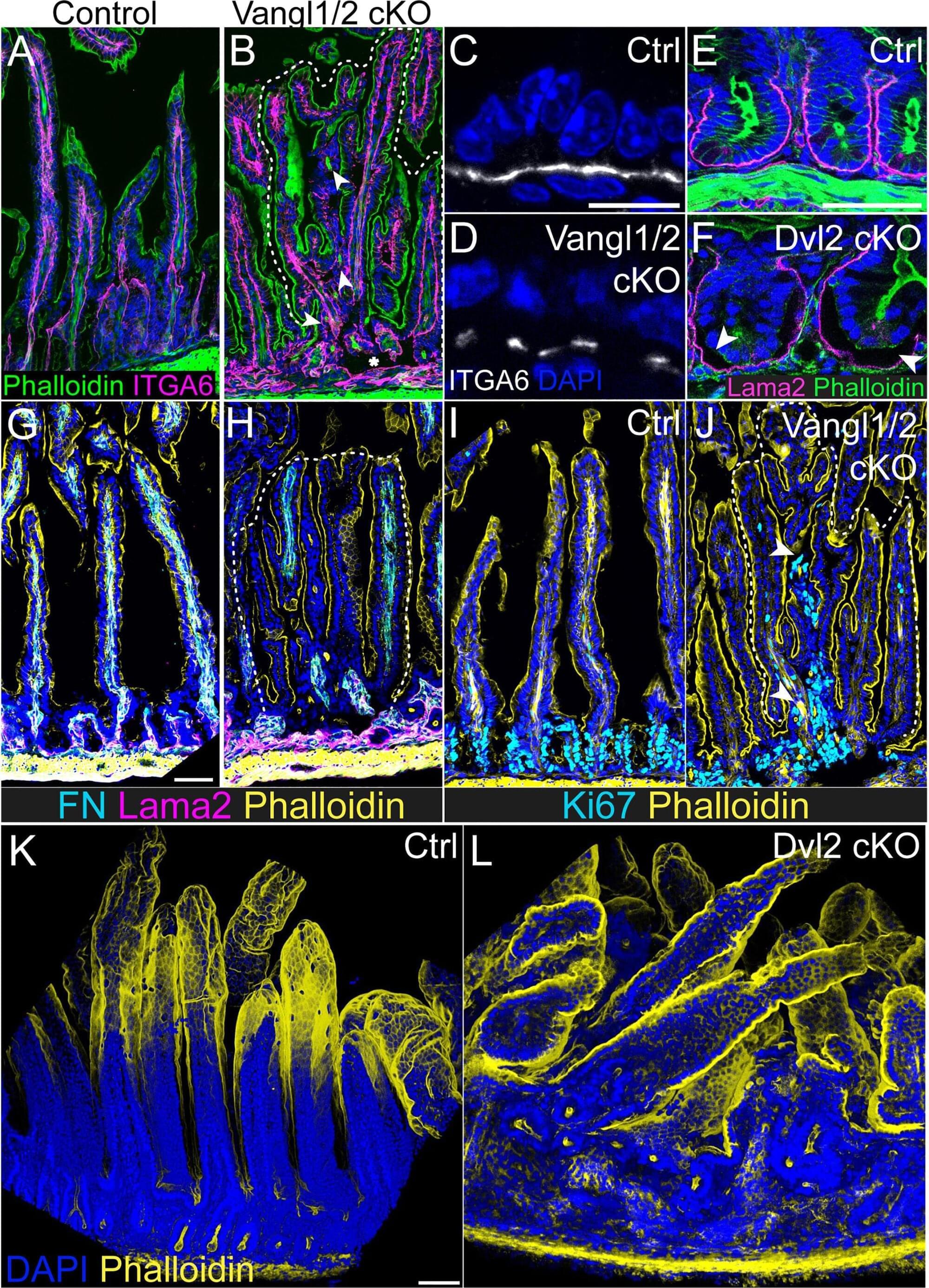
In a study published in Developmental Cell, Yale researchers found that a cellular process involved in embryo development is still active in the small intestine after birth, guiding the organ’s constant replication and growth.
The small intestine needs a lot of surface area—over 300 square feet (28 square meters)—to maximize nutrient absorption. It creates this in two main ways: it’s long and its interior is lined with three-dimensional, nutrient-absorbing structures called villi.