As clinicians and researchers, we often see how heavily migraine attacks weigh on children and adolescents, yet non-pharmacological, child-friendly treatment options remain strikingly scarce. For years, our team at Nanfang Hospital and collaborating institutes have been looking into ways to bridge this gap.
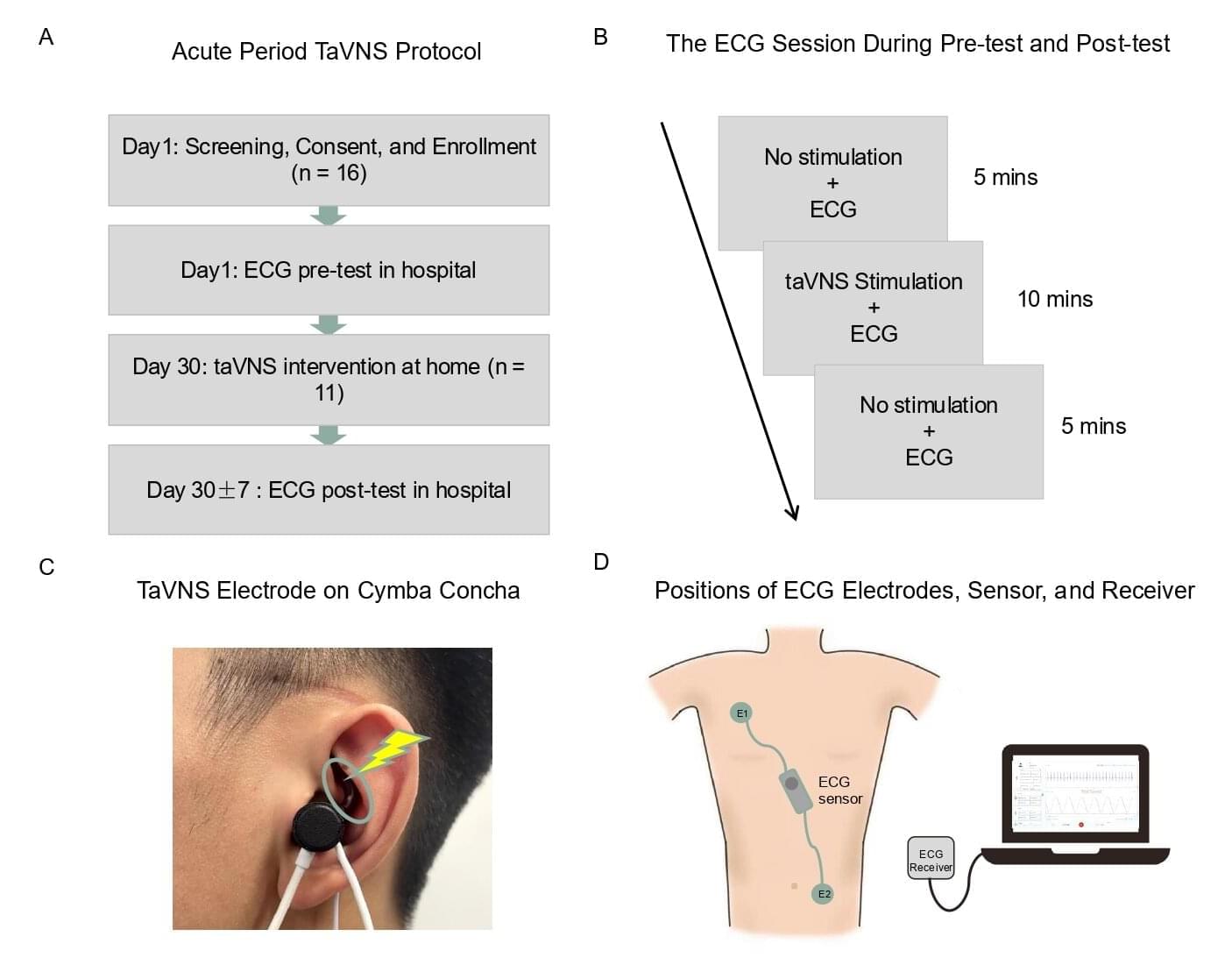
Recently, our team set out to explore whether a gentle, at-home wearable technology—transcutaneous auricular vagus nerve stimulation (taVNS)—could offer a safe and feasible way to help young patients manage acute migraine episodes.