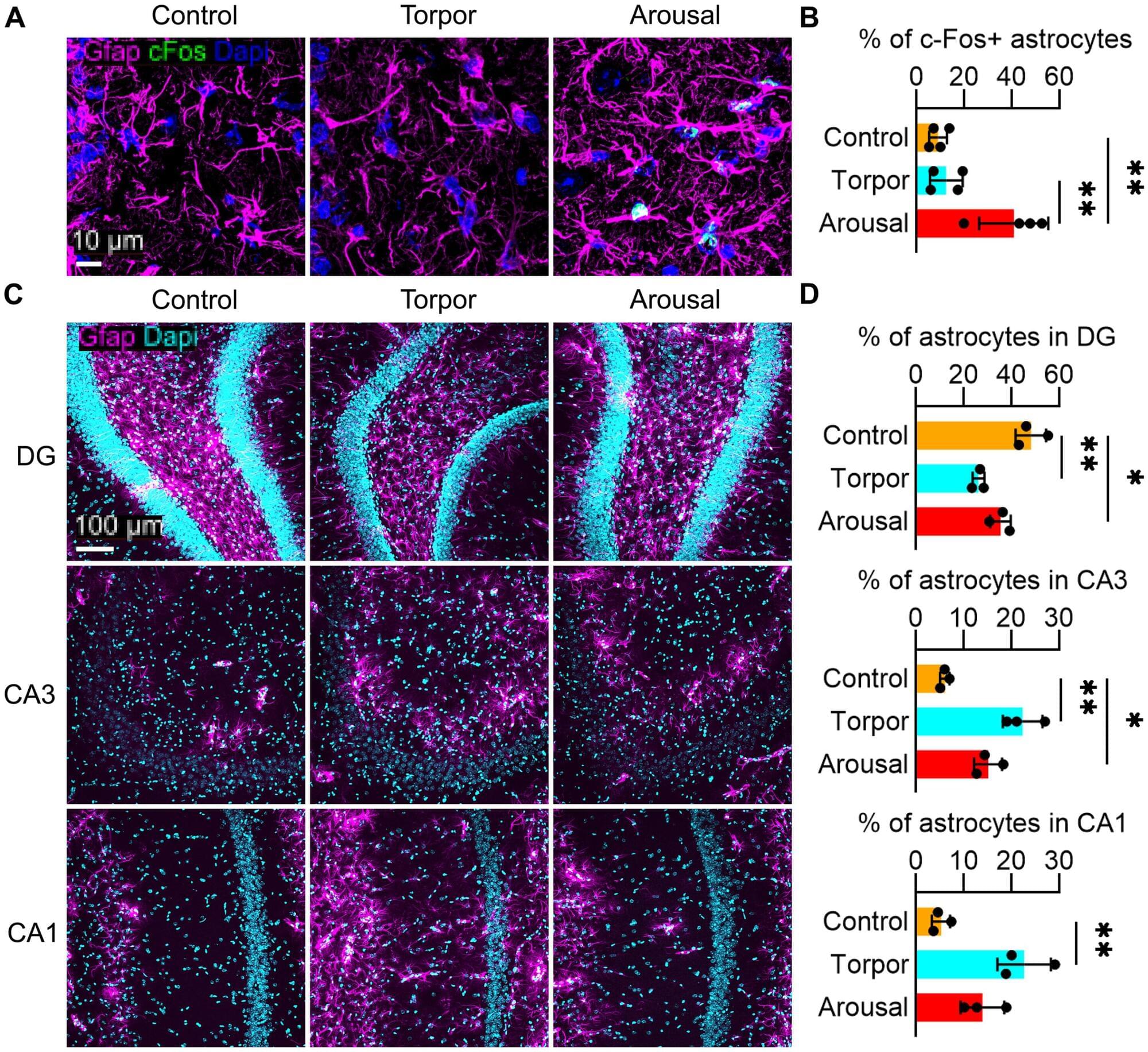
Researchers at VIB and KU Leuven have discovered that hibernation triggers changes in brain cells that partially resemble those in Alzheimer’s disease. Studying golden hamsters, the team identified changes in gene expression across the hibernation cycle, which resemble those associated with the accumulation of amyloid plaques in Alzheimer’s.
The findings, published in Science Advances, suggest that some early cellular changes associated with Alzheimer’s may also occur as part of a natural adaptive response, offering new ways to study the disease for therapy development.
Alzheimer’s disease affects millions of people worldwide and is characterized by the buildup of amyloid-β plaques and tangled tau proteins in the brain. These tangles contain abnormally phosphorylated tau—a form of the protein carrying excessive phosphate groups.