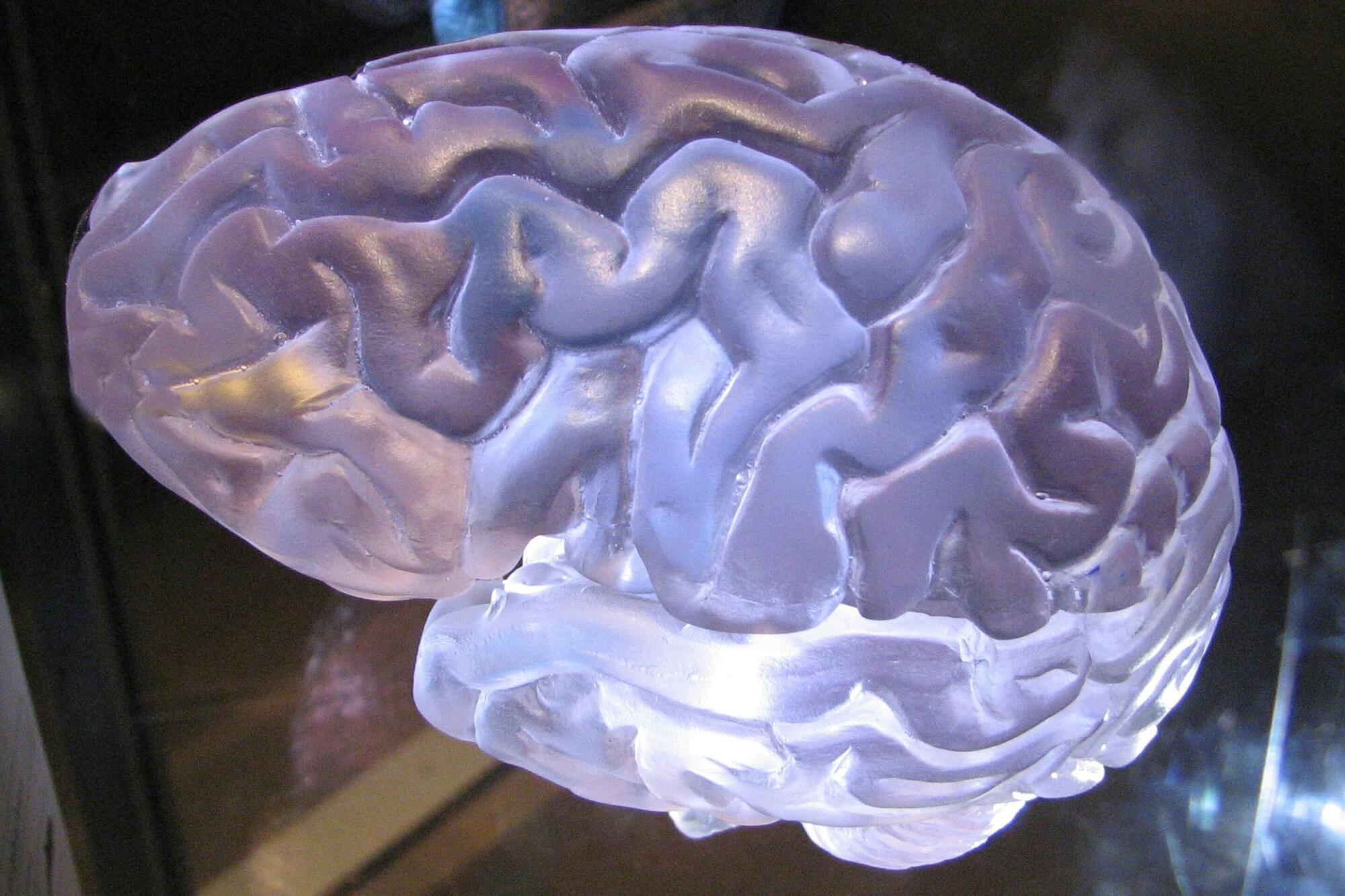
A KAIST-led research team has found that a protein involved in gene regulation can suppress the harmful aggregation of amyloid-beta, a peptide associated with Alzheimer’s disease. The approach also reduced the toxicity of protein aggregates that had already formed.
In experiments using a mouse model of Alzheimer’s disease, the treatment reduced protein accumulation in the brain and improved memory recognition, suggesting a possible route toward new therapeutics.
The research team led by Professor Mi Hee Lim from the Department of Chemistry identified a new approach to controlling the aggregation and toxicity of amyloid-beta. The findings were published in Advanced Science.