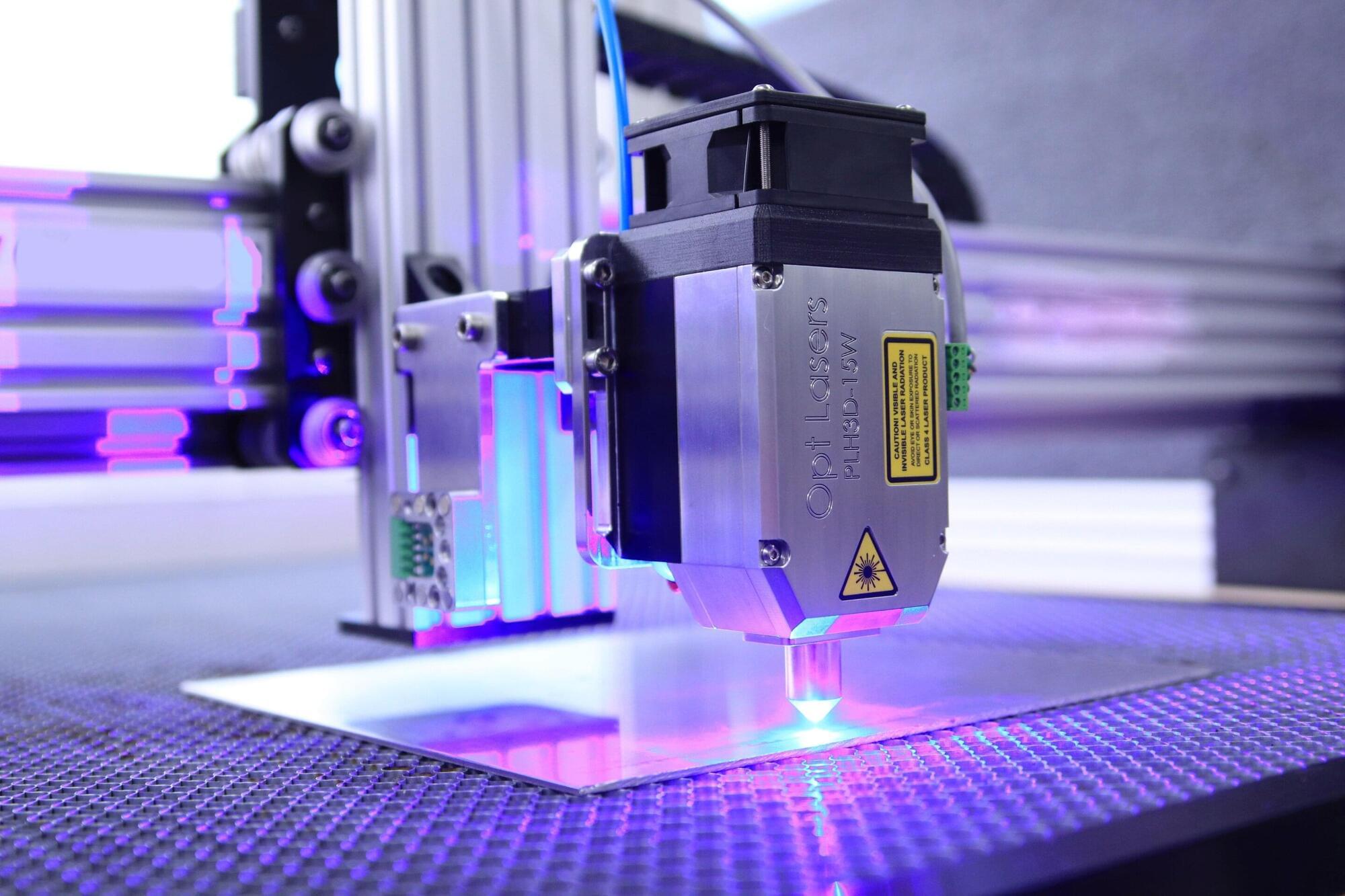
Dewetting of thin films is a phenomenon in which heat or laser irradiation destabilizes a continuous film, causing it to retract into nanoscale island-like structures. Compared to thermal dewetting, laser-induced dewetting offers greater precision, speed and flexibility and is a promising approach for patterning metallic thin films.
In applications such as plasmonic color laser printing and fabrication of substrate-engraved metasurfaces, controlling the size and distribution of the resulting nanostructures remains a major challenge. In others, including low-emissivity window coatings and nanoscale plasmonic devices, dewetting is undesirable because it shortens coating lifetime and degrades device performance.
A new study published in the IEEE Journal of Selected Topics in Quantum Electronics, explores a unique approach to control laser-induced dewetting.