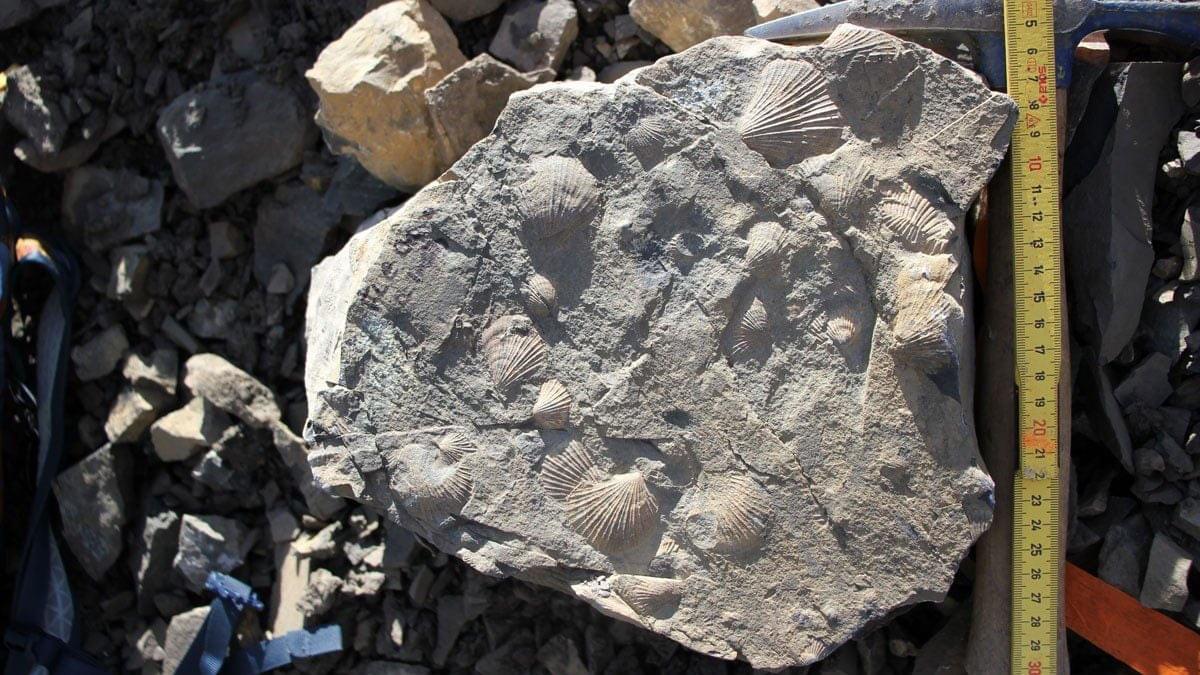
As today’s oceans lose oxygen, Alaskan rocks trace a similar decline that began millions of years before the end-Triassic mass extinction.
Dinosaurs survived the end-Triassic mass extinction 201 million years ago, but roughly 60 percent of Earth’s species did not. New evidence from Virginia Tech geologists suggests that the crisis in the oceans began about 8 million years earlier, when oxygen levels in shallow waters started to decline.
Scientists have long linked the extinction to enormous volcanic eruptions that tore apart landmasses, warmed the planet, and triggered widespread environmental changes. As temperatures rise, rocks break down faster, releasing nutrients that contribute to increasing ocean acidity. Warmer seawater also holds less dissolved oxygen, creating conditions that can lead to oxygen-depleted dead zones where marine organisms struggle to survive.