Rich Livitski Seal Beach, California
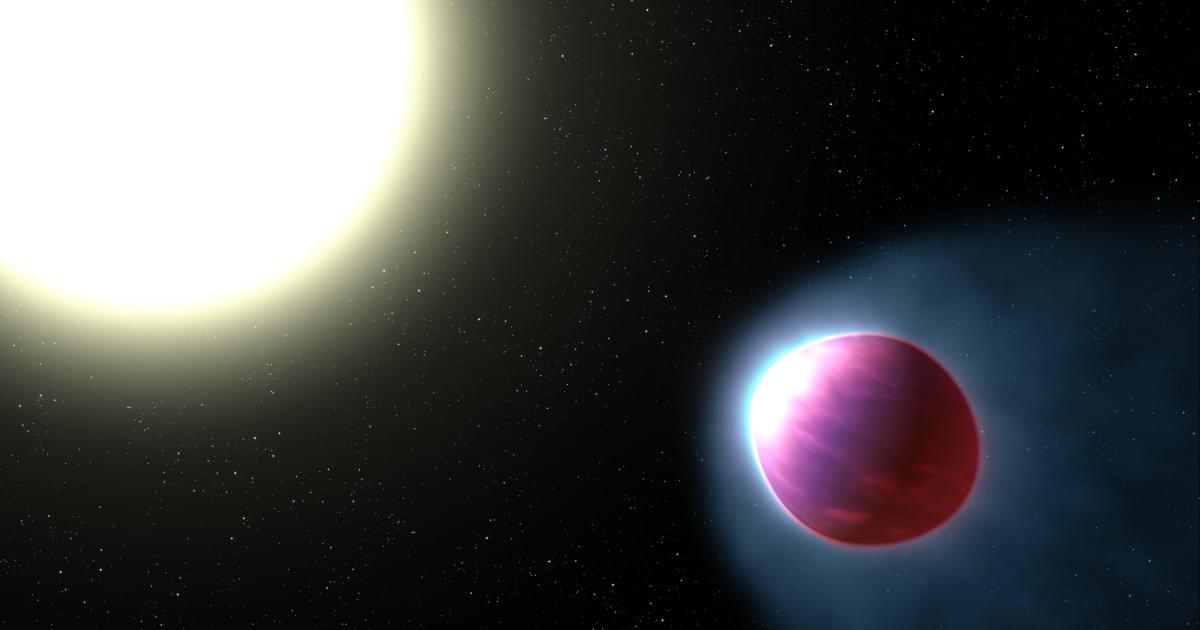
Bodies large enough to be considered planets have enough mass that gravity molds them into a roughly spherical shape.
The key word here is roughly — other factors also come into play, such as a planet’s composition (rocky or gassy) and its rate of spin. The faster a planet spins, the more its rotation causes it to bulge outward at the equator. That’s because as a planet rotates, there’s a tug-of-war between the way material wants to fly off the planet due to rotation and the way gravity wants to pull all that planet’s material inward. The battle between these forces is most intense at the equator.