2030, semiconductor facilities will create demand for 189,000 new full-time jobs. On our current trajectory, there will not be enough trained workers to fill them. Community colleges are stepping in to fill the gap.
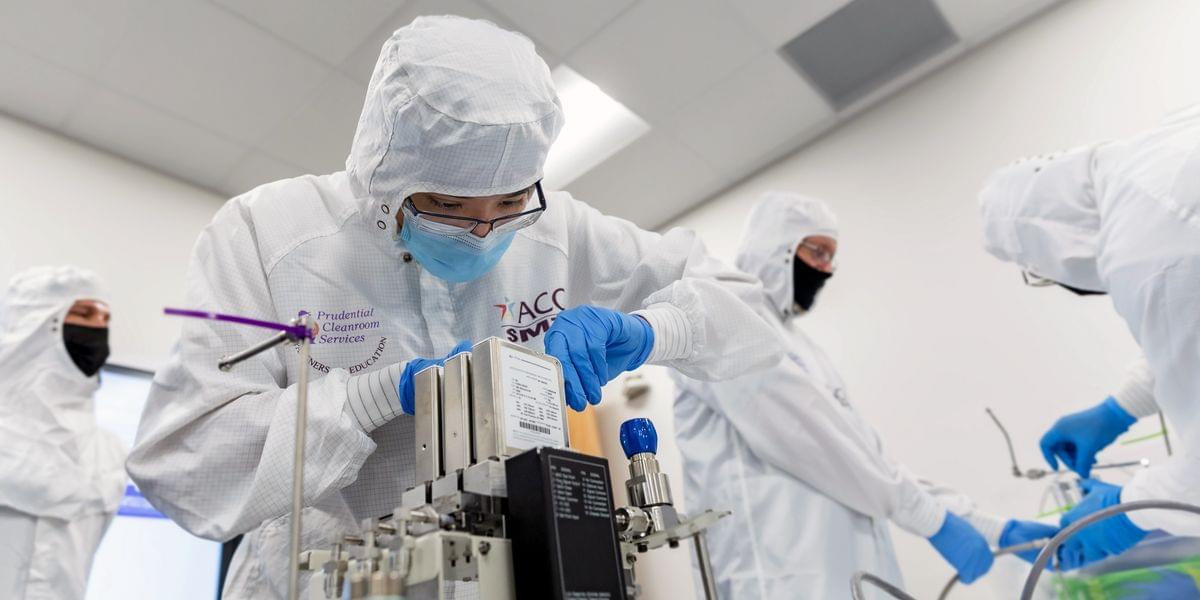
The semiconductor worker shortfall is the kind of challenge that community colleges were built for, Taylor-Mendoza says. Community colleges have a long history of helping train people quickly and affordably for critical jobs such as nursing, court reporting, or making computer chips. Community colleges in regional semiconductor hubs are now offering apprenticeships, certificates, and other training to enable people to update their skills or pivot to new career paths in the industry. They funnel some graduates into engineering programs at nearby universities to get four-year degrees and recruit and train high school students.
In response to the 2022 U.S. CHIPS and Science Act, companies have announced 140 new projects and investments of more than US $640 billion in the country, according to a September report by the Center for Security and Emerging Technology (CSET). The Taiwan Semiconductor Manufacturing Company (TSMC), for instance, plans to invest $165 billion in the US. Its chip fabrication plant in Arizona began production in 2024, and the company plans to open 3 more fabs and two packaging facilities. The Arizona fab employs about 3,500 people, and when another two open, the company will need about 6,000 employees in the region, including thousands of technicians.
“‘Build it and they will come’ doesn’t work” with semiconductor fabs, says Palmer of Maricopa Community Colleges (MCC), which collaborates with TSMC, Intel, and other companies on its semiconductor curricula. MCC recruits high school students and performs marketing in the region, educating people about jobs in the semiconductor industry and the training they need to get a foot in the door. Then they provide that training, often at no cost to students.