AI-generated faces—known as deepfakes—increasingly flood the internet, often used to amplify common scams with fake romantic partners or supposedly trustworthy investment partners.
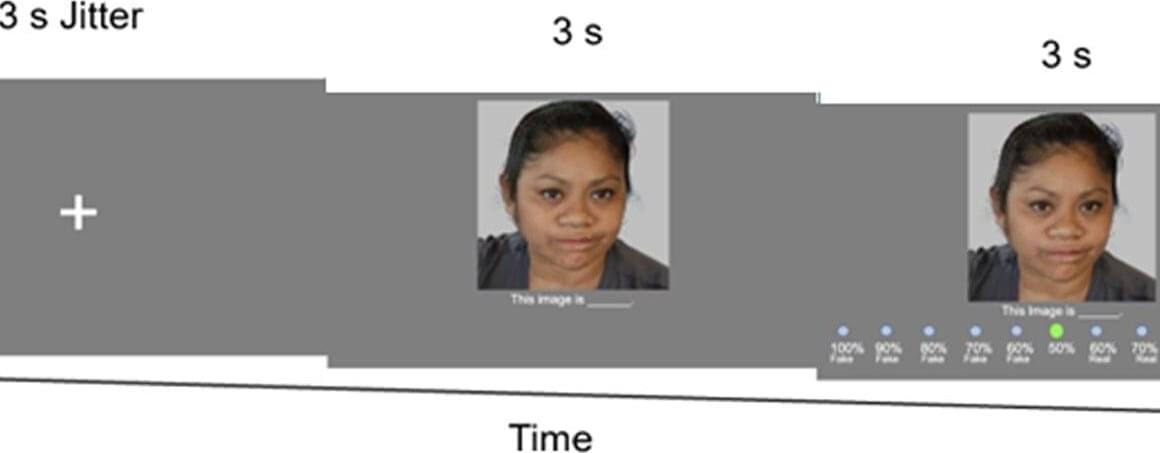
New research out of the University of Florida shows that deepfake faces can appear even more authentic than photos of real people. The study also links this “deepfake hyperrealism” to a crucial brain region known as the anterior insula, which quiets down when analyzing deepfakes, potentially helping explain why these images seem so convincing.
What’s more, older adults—already more susceptible to scams for a number of reasons—showed an even stronger bias toward rating deepfake faces as more real than genuine photos.