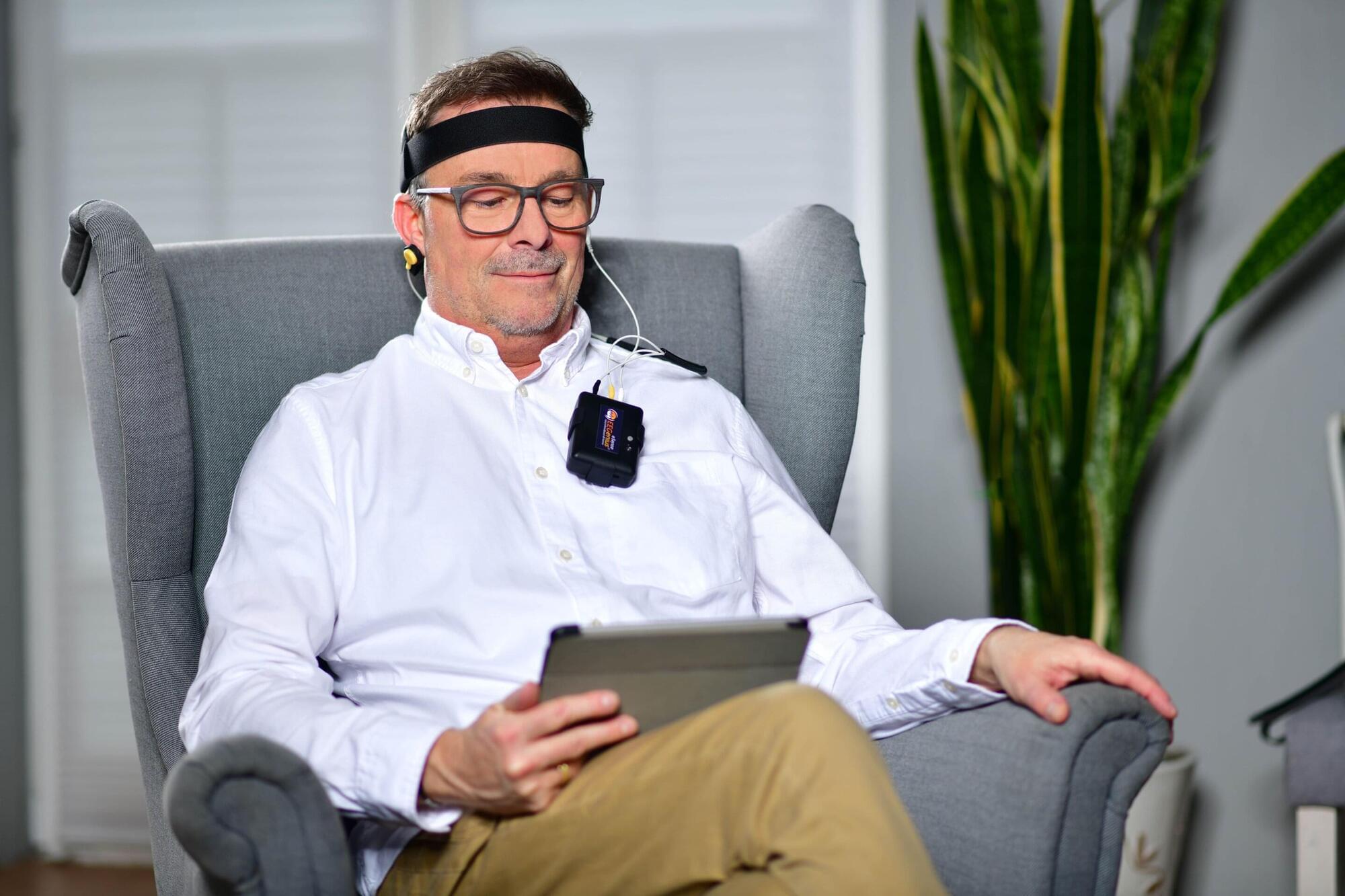
Recent advancements in brain-computer interfaces are helping restore communication in clinical trial participants who have lost the ability to speak or make voluntary movements. New findings were presented at Neuroscience 2026, the annual meeting of the Society for Neuroscience.
Brain-computer interfaces (BCIs) record a person’s brain signals and translate them into commands to control computers, prosthetic limbs or other devices. The technology is still largely experimental but shows promise for restoring functions lost due to amyotrophic lateral sclerosis (ALS, or Lou Gehrig’s disease), stroke and other neurological disorders.
Reflecting this potential, the global BCI market is projected to increase from $1.7 billion in 2022 to $6.2 billion by 2030. Clinical trials of BCIs that help people with paralysis communicate are moving these devices closer to real-world applications and deepening researchers’ understanding of how the brain produces speech.