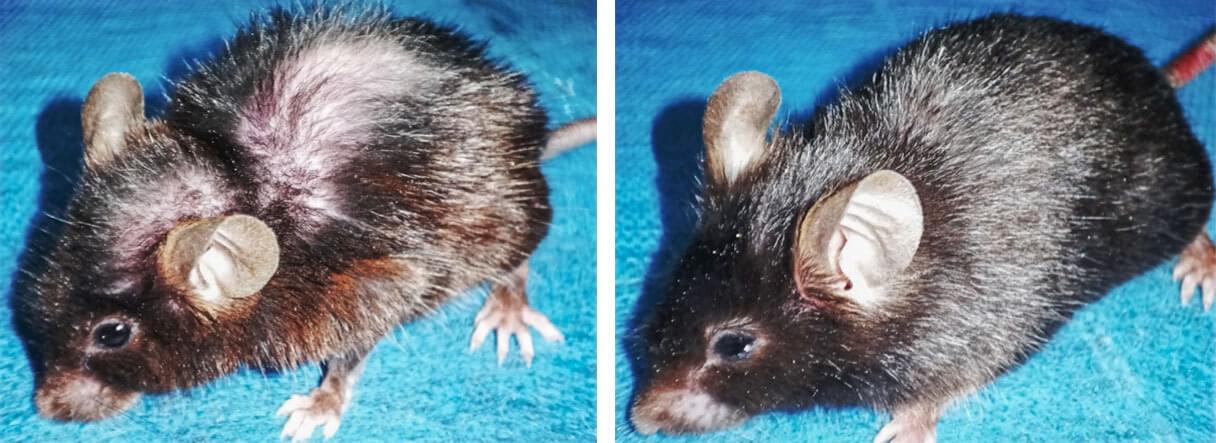
Bones may not only shape how a body looks, but also how it ages. Researchers investigating the well-known antiaging effects of physical activity have found in mice that bones may be a veritable fountain of youth, dribbling out proteins that slow aging, keep the body healthy, and extend life span.
The rodent results, published last week in Cell Metabolism, show mechanical strain on the skeleton—the pushing, pulling, and twisting that normally happen during exercise and other forms of physical activity—triggers force-sensing bone cells called osteocytes to secrete the antiaging chemicals. Indeed, the research team could extend mouse lives by nearly 3 months—the equivalent of about nine human years—just by gently squeezing their leg bones.
“Bone is not just a passive scaffold; it is an active, mechanically responsive organ that helps set the pace of aging throughout the body,” says Xiaochun Bai, a leader of the study and a bone biologist at Southern Medical University. “For the first time, we demonstrated the role of bone ‘mechanosensing’ in systemic aging.”