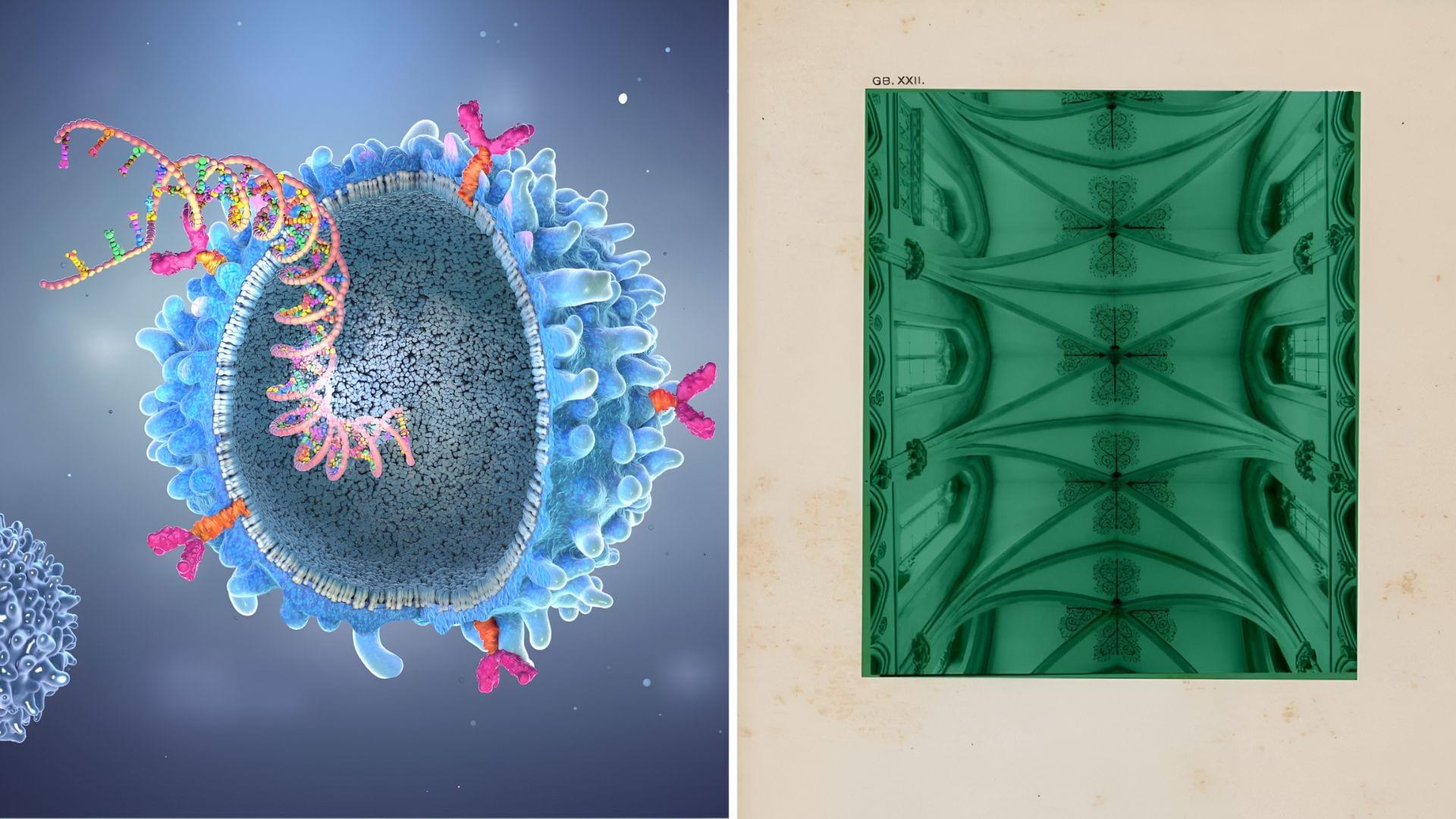
Leonard Rome and Nancy Kedersha first identified vault particles in 1986. These hollow, barrel-shaped structures rank among the largest protein complexes found in human cells. Mammalian vaults contain 78 copies of a major protein arranged into two symmetrical halves.
Their biological purpose remains uncertain despite decades of investigation. Researchers have proposed roles in cellular transport, drug resistance, and immune defense. However, experiments have yet to establish any of these functions conclusively.