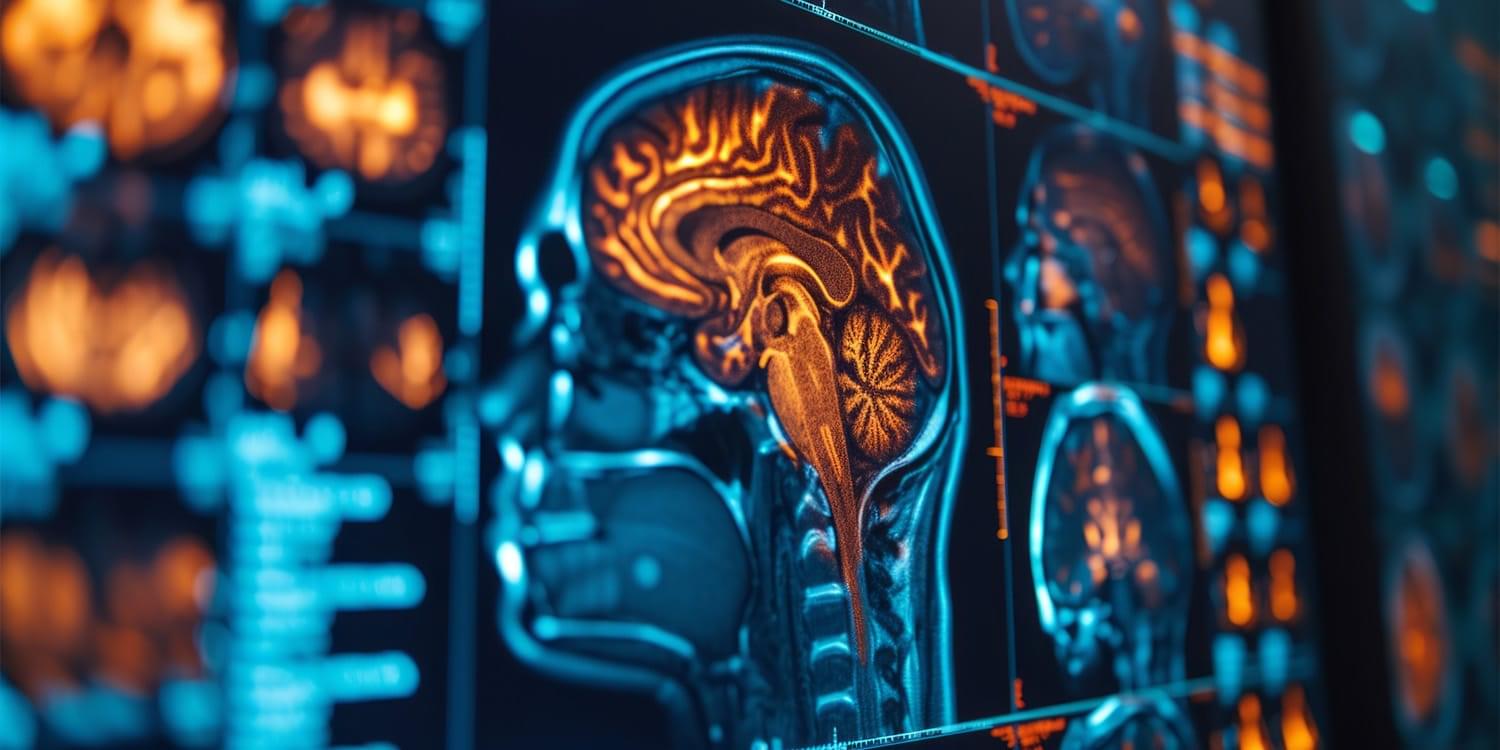
Beyond overall activity levels, the researchers looked at how different parts of the brain communicated with each other. They found enhanced neural connectivity between the medial prefrontal cortex and a region called the posterior cingulate cortex. These linked areas are part of the brain’s default mode network.
The default mode network usually becomes active when a person is resting, daydreaming, or engaging in self-reflection. In depression, the default mode network is often associated with rumination. Rumination is the habit of continuously dwelling on negative feelings and past events.
The brain scans showed that stronger communication between the medial prefrontal cortex and the posterior cingulate cortex correlated with lower scores on a rumination questionnaire. By strengthening this neural pathway, the therapy may help patients break out of repetitive, negative thought loops.