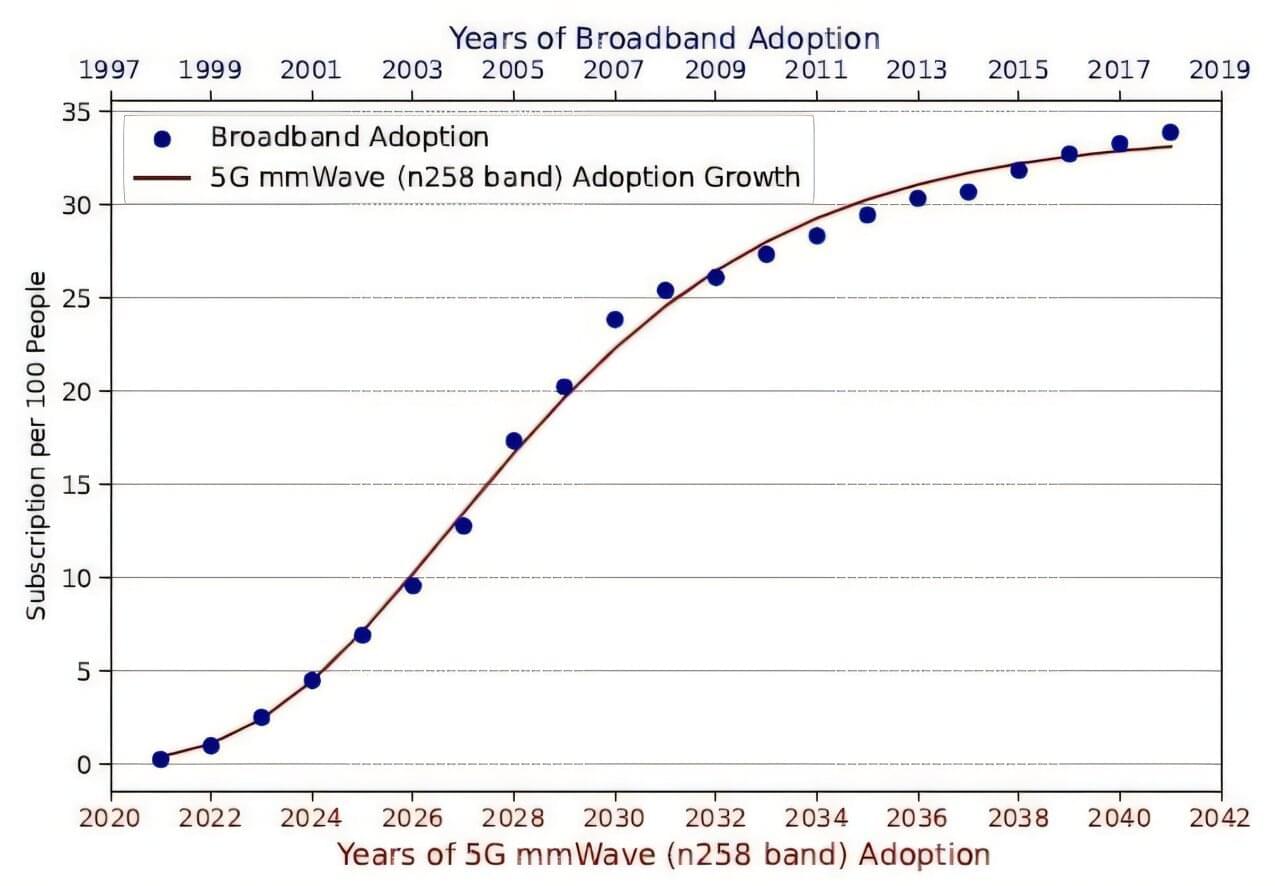
Could leaks from future 5G networks interfere with satellite weather measurements and potentially alter forecasts? That’s the concern of a group of researchers from the U.S. states of New Jersey and Maryland, with lead author Behzad Golparvar from Rutgers University in New Jersey.
Their research has revealed two pathways by which fifth-generation (5G) radio-frequency interference could affect high-impact forecasts in a year 2040 scenario. The findings have been published in the journal Geophysical Research Letters.