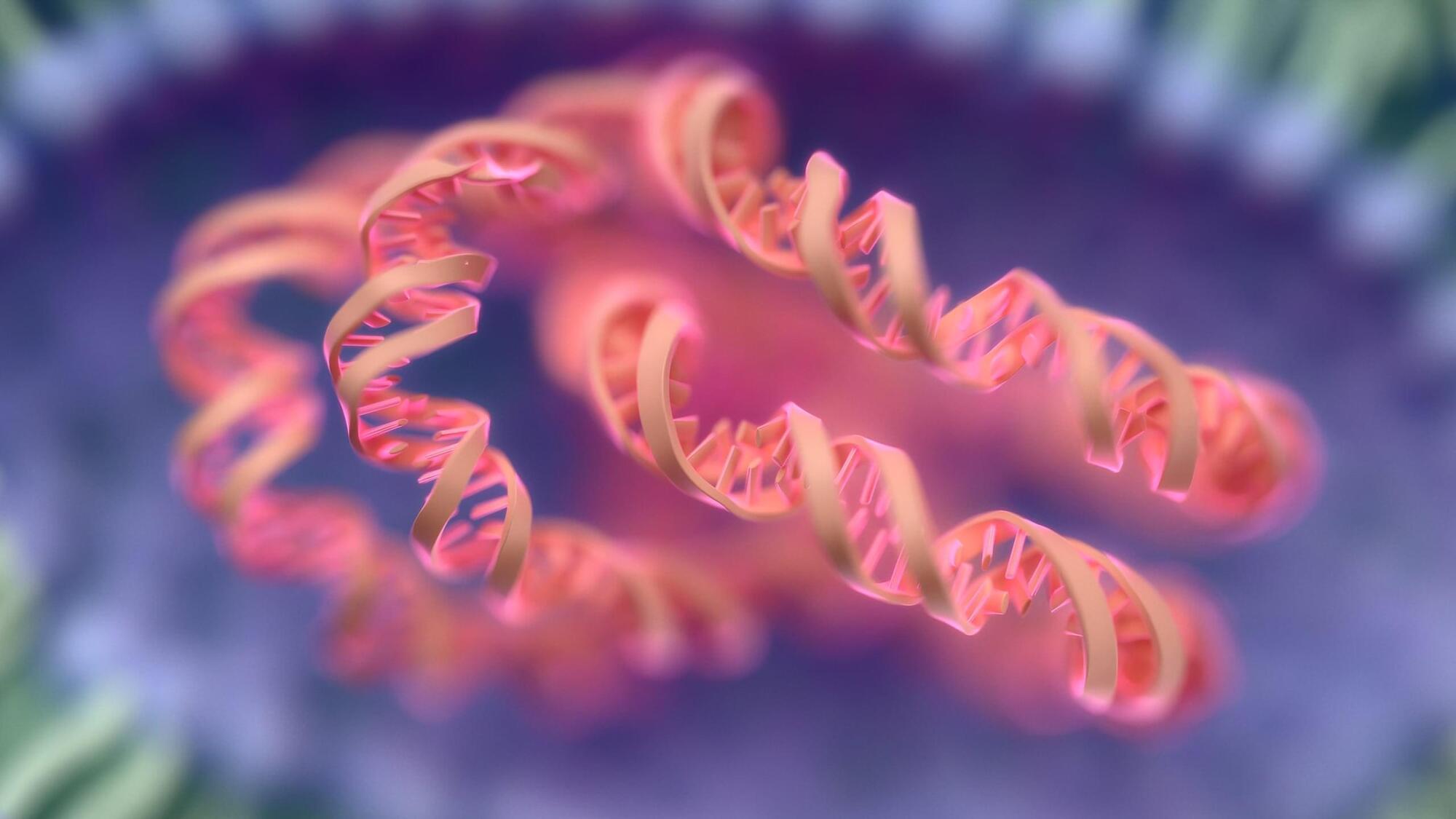
RNA, or ribonucleic acid, is one of the most important molecules in keeping the body functioning correctly. One of its main jobs is to turn the information stored in our genetics into actual proteins that build and operate cells, for example.
To stay healthy, cells keep RNA production and deletion in a careful balance, but there are ways this balance can be tipped over. Invading viruses tend to produce more RNA, and aging, certain cancers, and neurodegenerative diseases can also cause disruption.
In a study published in PNAS, researchers outline a newly discovered way that too much RNA can cause harm: It can interfere with tiny power plants called mitochondria inside cells, limiting their energy production capacities.