Newswise — Every day, hundreds of thousands of people undergo general anesthesia, trusting they’ll drift into unconsciousness and wake safely after surgery. Yet despite decades of use, scientists still don’t fully understand how anesthetic drugs reshape the brain’s electrical activity to produce unconsciousness.
Studying the brain’s response to anesthesia has been difficult: in living humans, there’s no safe way to study the brain cell by cell, and in animals, the drugs act on many different brain regions at once, making it hard to isolate where the effects arise.
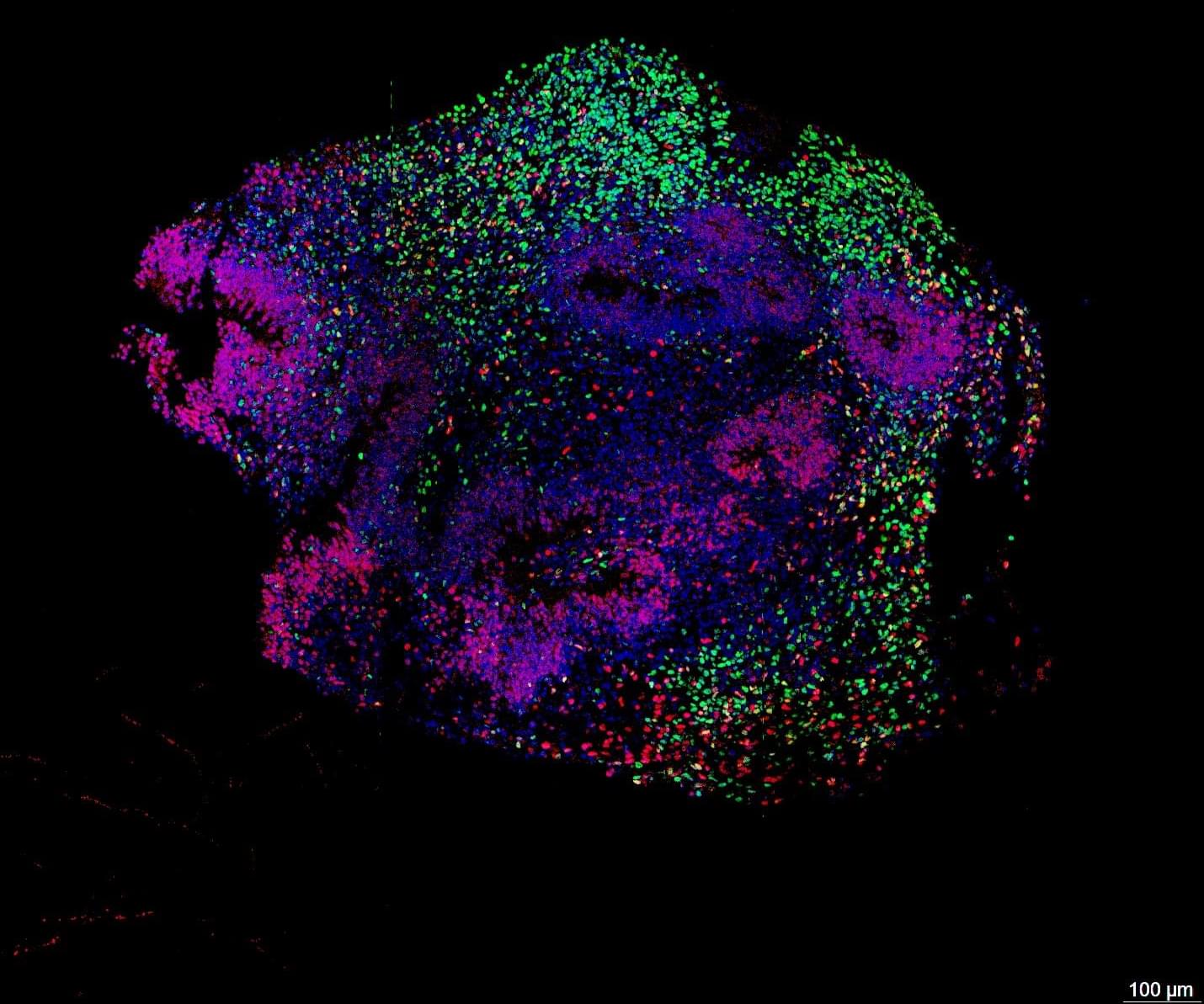
Now, UCLA researchers have shown for the first time that human stem cell-derived brain assembloids — tiny, three-dimensional models that recreate simplified human brain circuits — can reproduce the electrical changes seen during general anesthesia. Their findings were just published in the British Journal of Anaesthesia.