Scientists may have solved a long-standing mystery about why the Moon’s two sides are so different, using samples collected from its farside for the first time. Their findings suggest that uneven heating from Earth’s gravitational pull drove enormous flows of ancient magma, creating the dramatically different lunar landscapes we see today.
Scientists investigating why the Moon’s two sides look so different have uncovered new evidence that could help explain this long-standing mystery. A research team led by Professor Hejiu Hui of Nanjing University analyzed lunar rocks collected by China’s Chang’e-6 (CE6) mission and found clues suggesting that enormous movements of molten rock shaped the Moon billions of years ago.
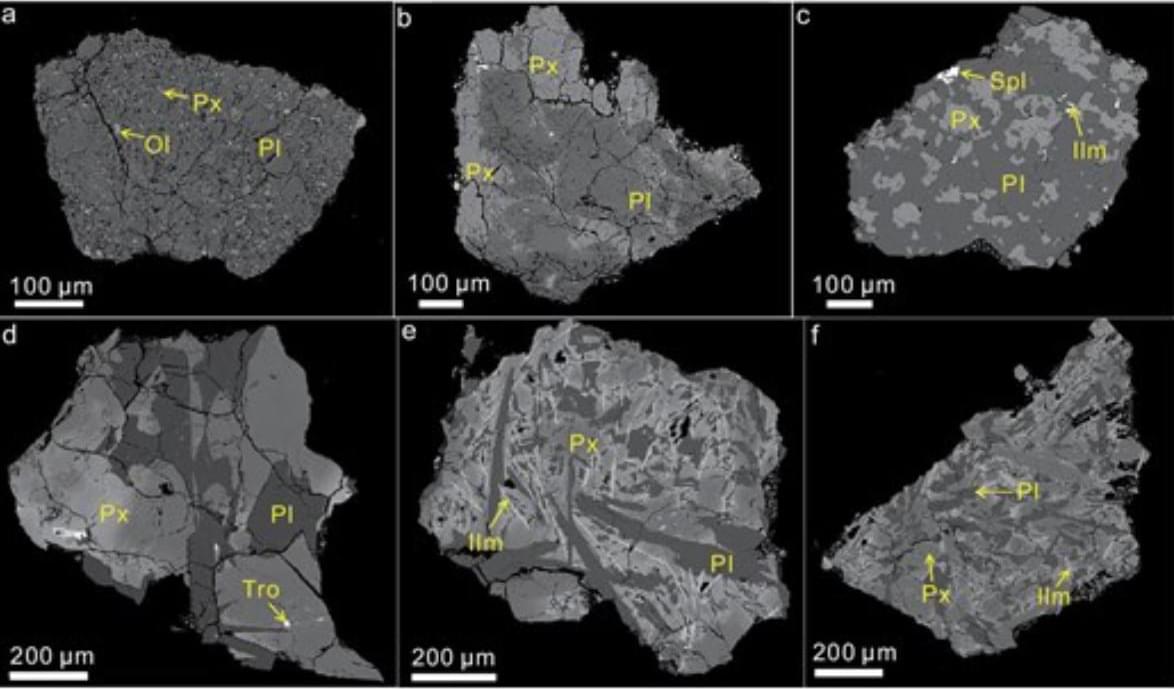
The researchers examined the chemical compositions of three types of lunar rock: anorthosites, Mg-suite rocks, and mare basalts. They compared these samples from the Moon’s far side with material collected from the near side during the Apollo and Chang’e-5 missions. Their findings suggest that the Moon’s striking differences emerged through large-scale heat-driven circulation within its ancient lunar magma ocean (LMO), after the Moon became tidally locked to Earth.