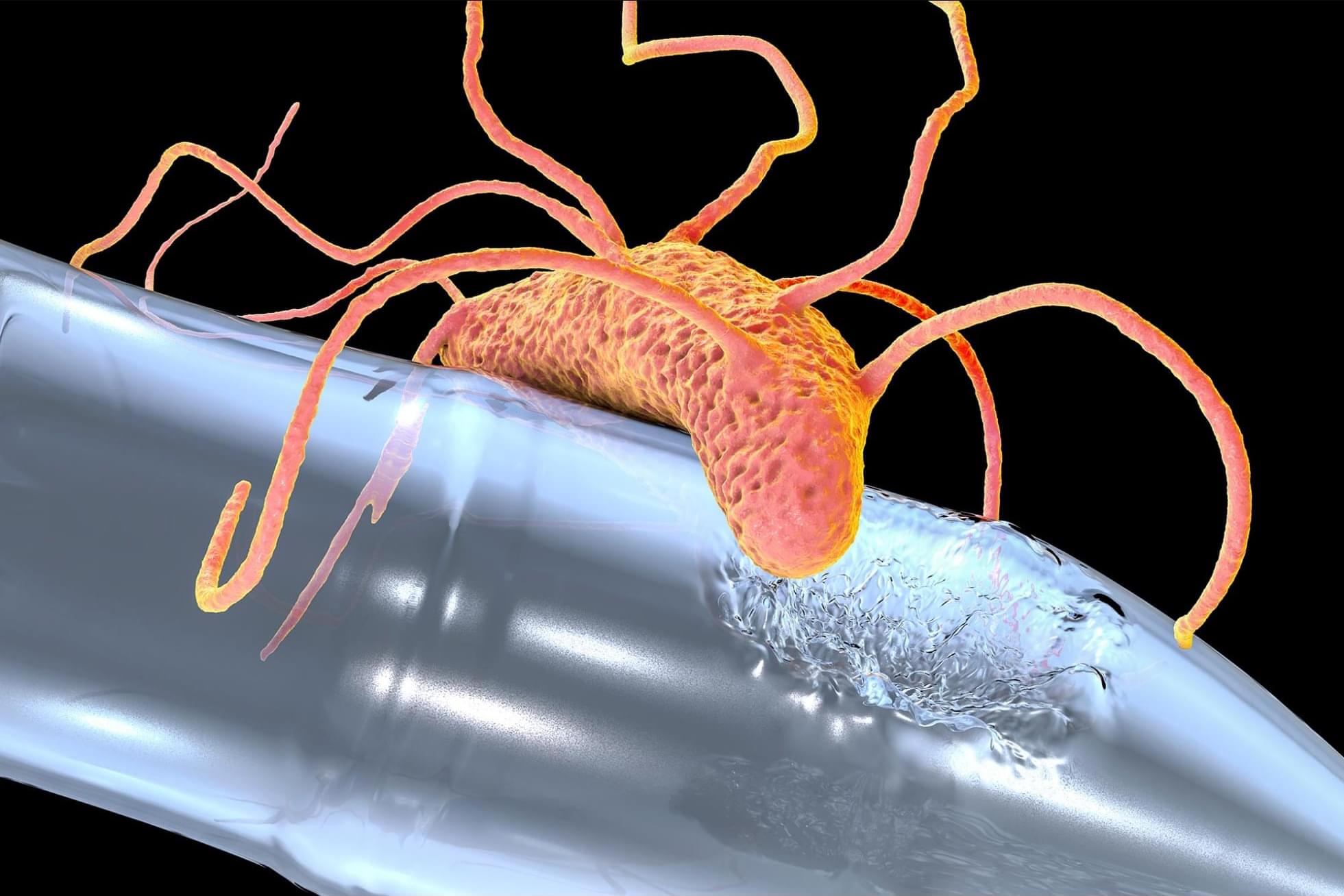
A newly identified bacterial enzyme can break down certain polyesters and penicillin, suggesting a possible link between plastic digestion and antibiotic resistance.
For decades, synthetic plastic waste has been collecting in vast oceanic garbage patches and fragmenting into hazardous microplastics and nanoplastics simply because the biological world cannot rapidly digest it.
Microorganisms do colonize these synthetic materials in the environment to form biofilms, creating a unique microbial habitat that researchers call the “plastisphere.” The problem is not a lack of microbial appetite, but rather a profound chemical mismatch between modern synthetic polymers and the enzymes bacteria naturally possess.