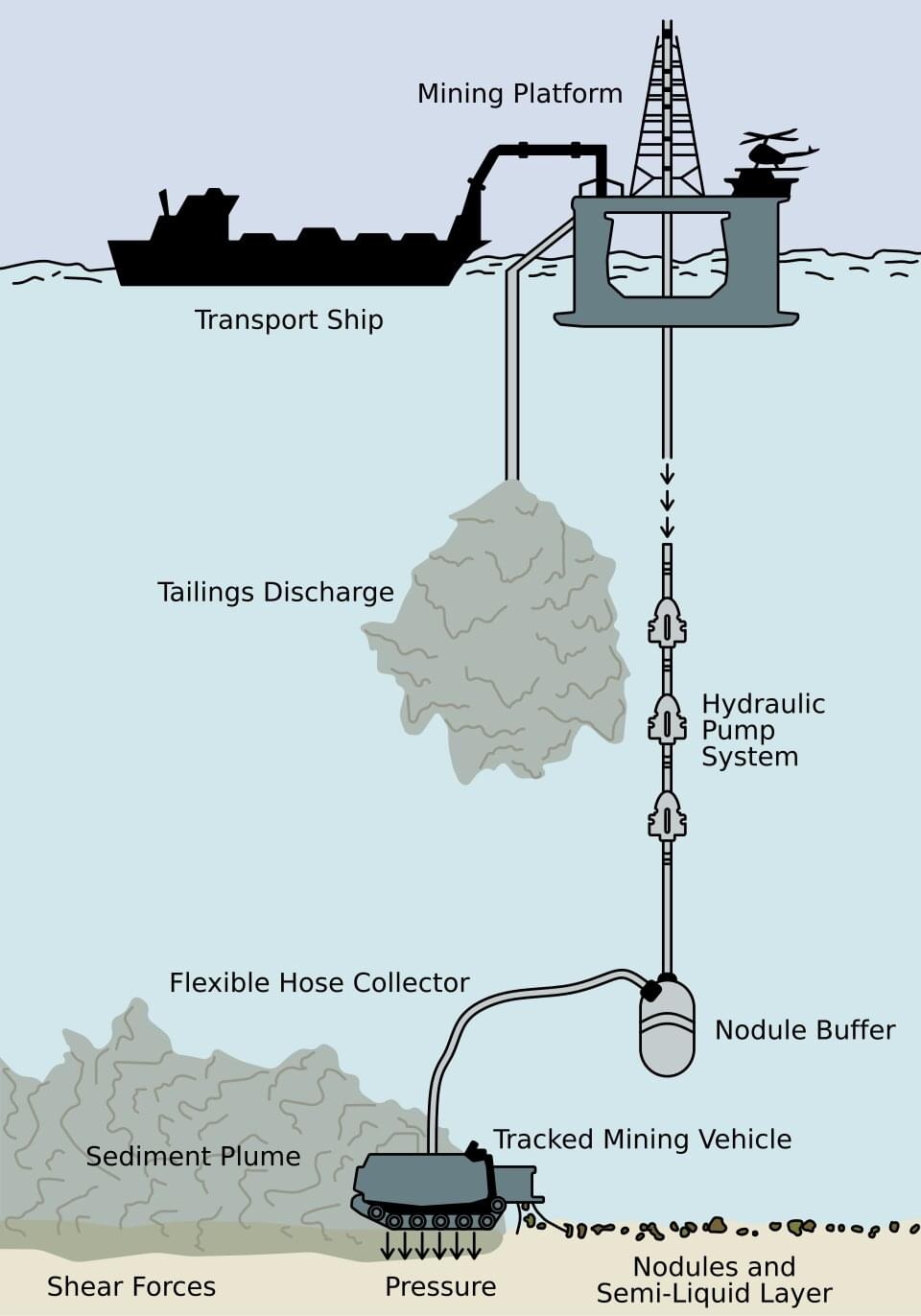
Projects involving the mining of seafloor massive sulfide (SMS) deposits around hydrothermal vents already face criticism over their destructive nature, and now these projects may face a new concern: spontaneous combustion. A new study, published in Scientific Reports, describes how certain samples of rock brought up from SMS deposits have unexpectedly caught fire. The study indicates that conditions at the surface, combined with processing activities, may turn some of these rocks into a hazard.
Hydrothermal vents on the ocean floor release heated water rich in minerals that result in metal-rich deposits over time. These deposits can become valuable sources of copper, zinc, gold and silver. However, the deposits also contain sulfur-bearing minerals that can release heat when they react with oxygen in the air. If that heat builds up, the material can spontaneously combust.
Spontaneous combustion has been occasionally documented in sulfide mines on land, referred to as volcanogenic massive sulfide deposits (VMS). Some safety practices have been developed for land-based mines, but seafloor rocks are more porous and likely require different safety practices.