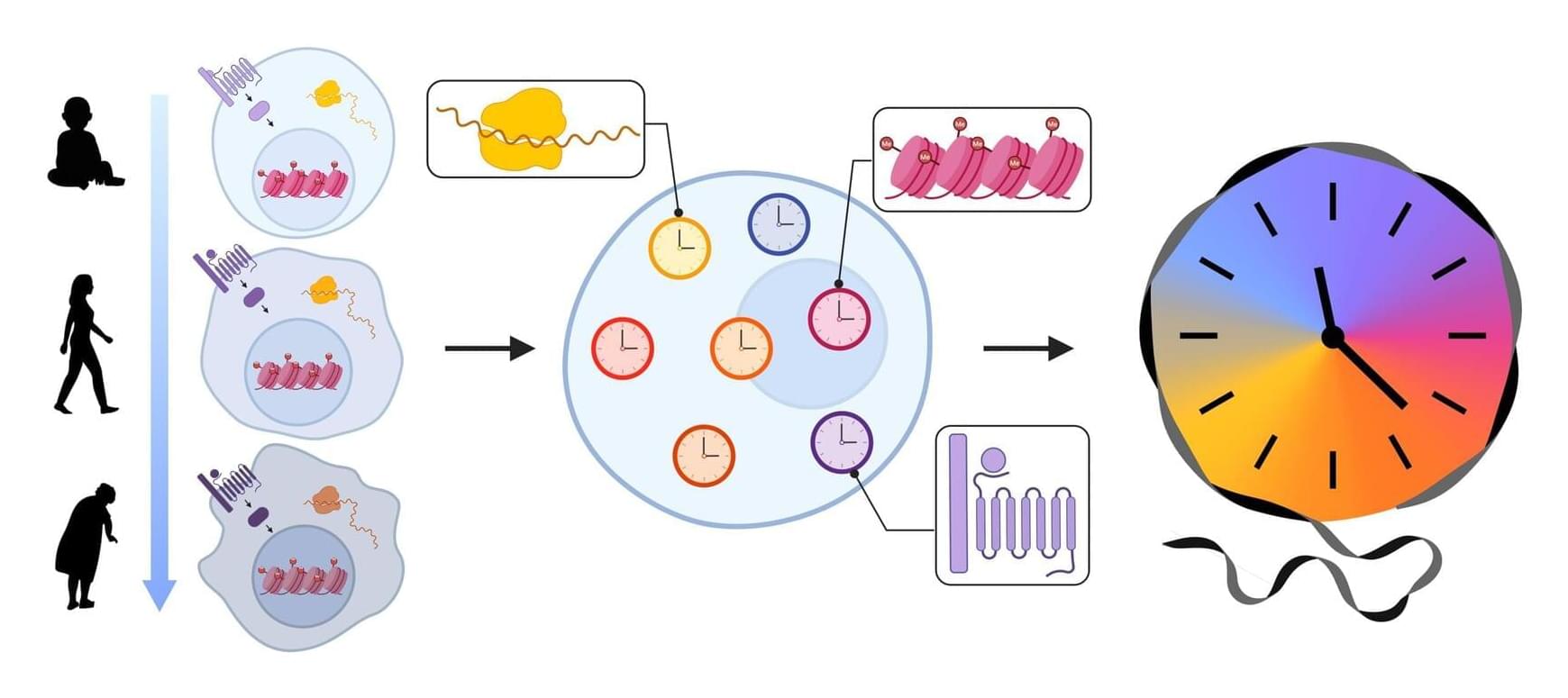
Every organ and tissue progressively loses function and integrity as it ages. In fact, researchers have identified “hallmarks of aging” that not only present specific processes impacted by age, but are also thought of as levers that, if successfully targeted, could help turn back the aging clock and result in tissue rejuvenation.
In 2006, Shinya Yamanaka’s Nobel Prize–winning discovery that the overexpression of four genes, the “Yamanaka factors,” can reprogram most mature cell types back to an undifferentiated, pluripotent ground state was a milestone in aging research. Interestingly, when expressed only in short bursts, the Yamanaka factors can also partially reprogram old cells back to a more youthful state, reversing multiple hallmarks of aging while maintaining their specialized functions. This and other insights showed that aging does not need to be a one-way street and that aging cells retain a latent capacity for rejuvenation.
Unfortunately, the therapeutic use of Yamanaka factors is causing concern for some researchers because their overexpression also raises the risk of cancer formation. Researchers have therefore been hunting for other factors for rejuvenating aging tissues in safer and more controllable ways. However, “in reprogramming, there is a fundamental trade-off between rejuvenation and cell identity; achieving one without losing the other requires walking a fine line,” said Alex Plesa, Ph.D., the co-first author on a study presenting a new potential avenue to solving this challenge.