Most magnets have two poles: north and south, or positive and negative, in a familiar arrangement called a “dipole.” But researchers are increasingly uncovering more complex forms of magnetism.
Recent advances in quantum mechanics have revealed higher orders of magnetism, including an “octupolar order” in which a pattern of particles arranged in a crystalline structure within a material behaves as if it has eight magnetic poles rather than the familiar two. However, detecting and controlling these elusive magnetic states is a significant challenge.
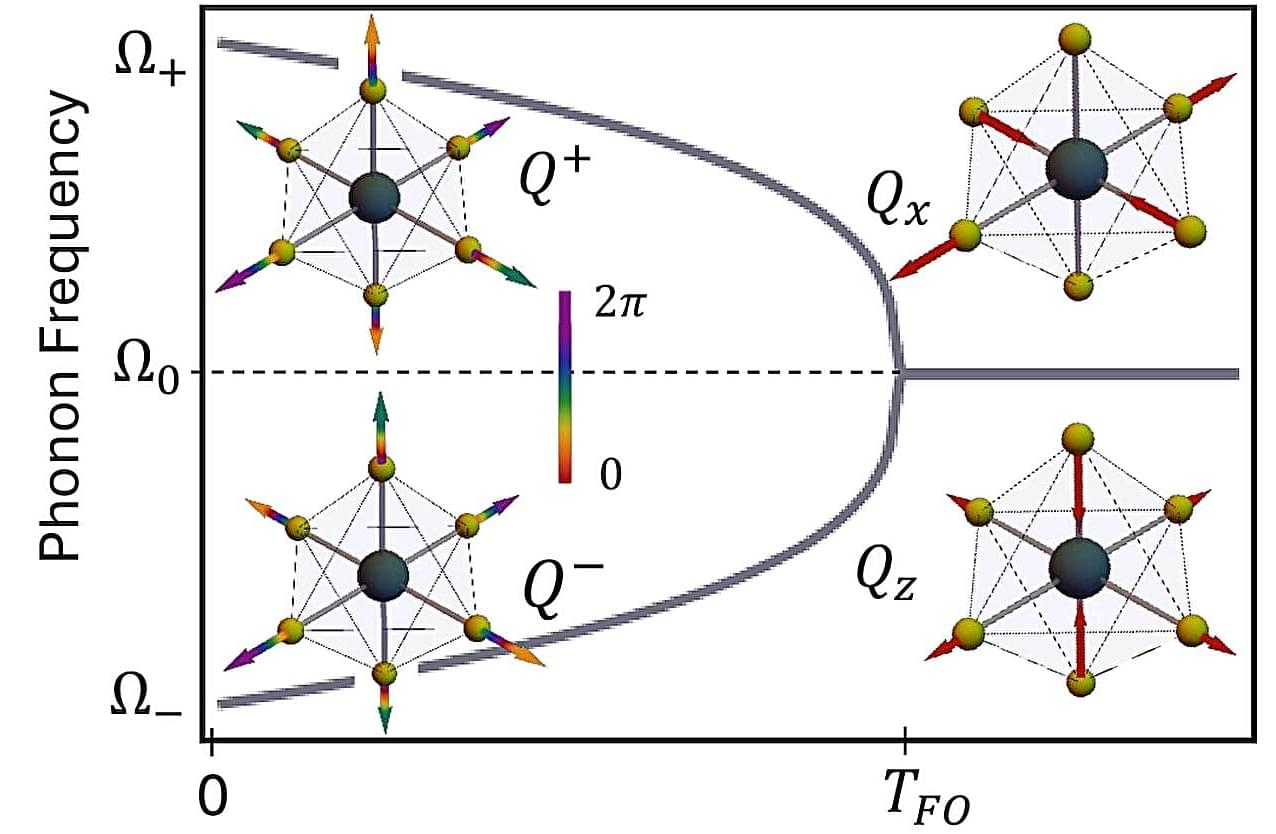
Now, a team led by quantum physicists at the University of Toronto has established a new method for observing quantum magnetic states using light to probe the atomic vibrations produced as electrons spin. The work is a critical first step toward harnessing multipolar magnetism for practical technologies, including next-generation data storage and computing devices.