Over a century ago, the Haber-Bosch process, a two-step reaction for the synthesis of ammonia (NH₃), an irreplaceable chemical for the fertilizer industry, prevented the world from going into a serious food crisis. Today, however, the same method consumes about 1% of global energy and contributes more than 1% of annual anthropogenic CO₂ emissions.
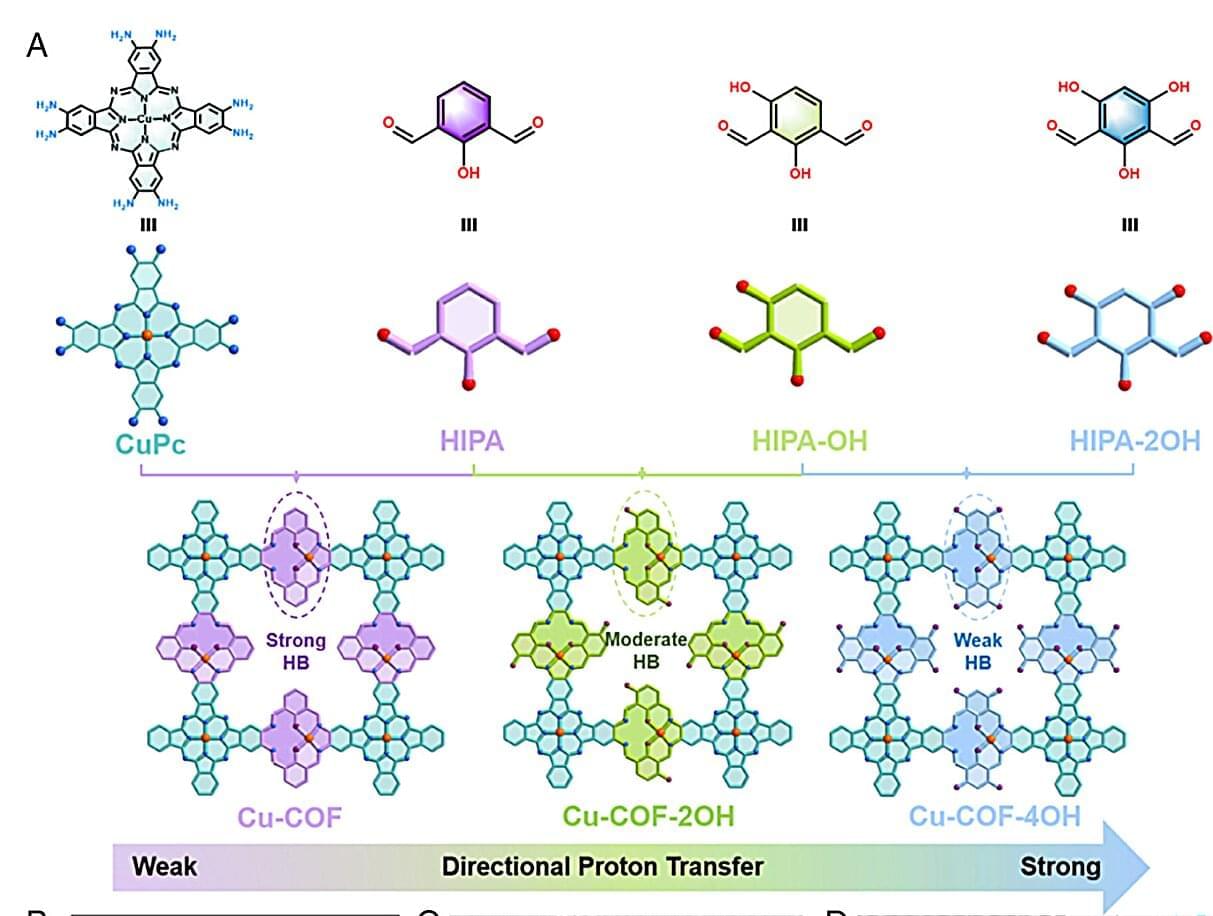
In a recent study, researchers designed a new covalent organic framework that provided a promising solution to a long-standing problem in green ammonia synthesis.
The team designed hydroxyl-functionalized copper phthalocyanine-based covalent organic frameworks as electrocatalysts for electrocatalytic nitrate reduction (NO₃RR). This process emerged as a viable, greener alternative to the industrial Haber-Bosch process, which is known to rely heavily on harsh high-temperature and high-pressure conditions.