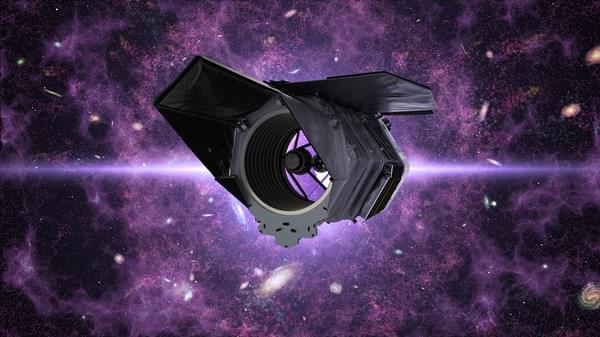
On September 22, the Coronagraph Instrument on NASA’s Nancy Grace Roman Space Telescope opened its eyes to cosmic light for the first time. The ultimate purpose of the instrument—which is commanded from Caltech’s IPAC, a science and data center for astrophysics and planetary sciences—is to demonstrate technology that can block starlight, providing unprecedented views of the planets and dusty disks around nearby stars.
The coronagraph first woke up on September 1 and stretched its digital, electronic, and mechanical “limbs” mid-month. Once the Roman team confirmed that the fine-guidance system was holding the Coronagraph Instrument steady, scientists adjusted the focus so it could take its first bleary-eyed look at space, which will help scientists fine-tune the instrument’s view.
“We’re all extremely pleased with how well things are working,” says Alexandra Greenbaum, coronagraph data management system lead at IPAC. “There’s a lot of collaboration that went into this milestone, so it’s wonderful to see all of us working together and to be a part of the team. I’m really looking forward to supporting the rest of commissioning, both on the operations and the data processing.”