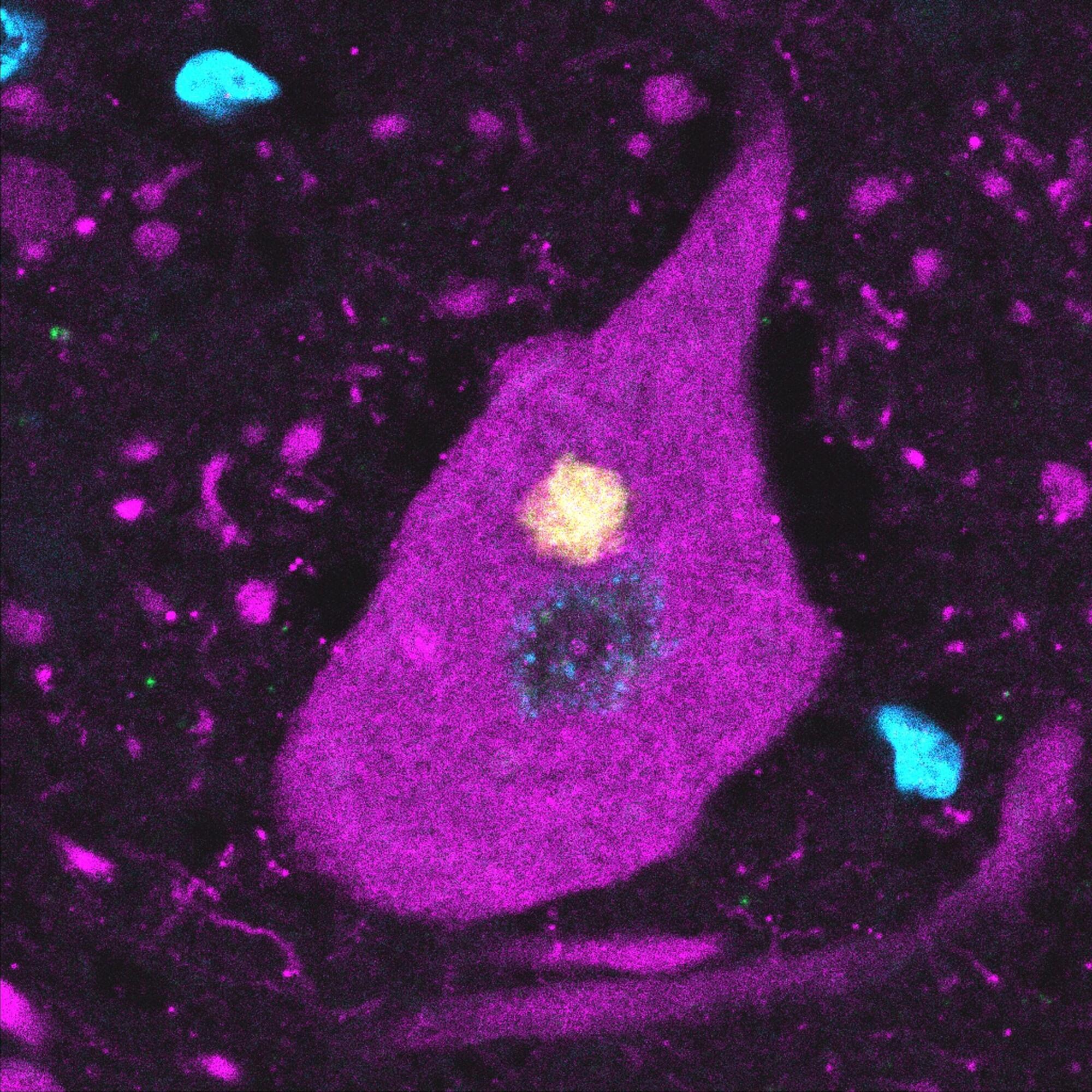
ALS is a disease in which, in most cases, a protein forms aggregates in neurons, leading to the rapid loss of motor control and death. A Nagoya University research team has discovered in human neuron cell cultures and mice an unexpected defense mechanism that neurons switch on to avoid these aggregates, offering a new potential path to developing a treatment.
Amyotrophic lateral sclerosis (ALS) is a neurodegenerative disorder that affects roughly 10,000 people in Japan. It is characterized by a rapid loss of control over the limbs and other body parts. Without a ventilator, patients have a life expectancy of two to five years after onset.
In most cases, a specific protein is at the root of the problem: TDP-43 is usually in the neuron’s nucleus and has various roles in maintaining the cell’s health and function. However, in people with ALS, it aggregates in the cells’ cytoplasm.