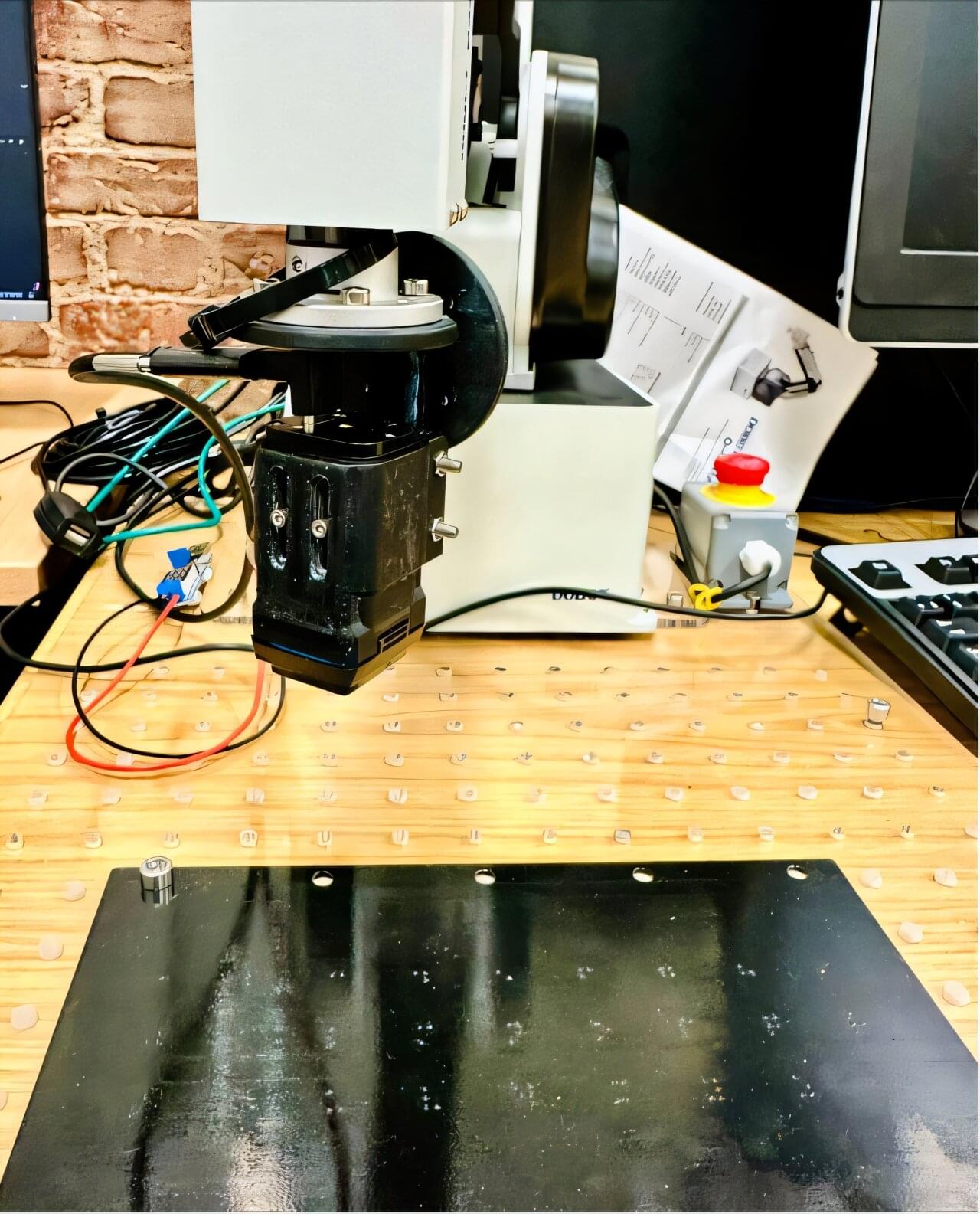
Could computers include tiny brain organoids one day? The human brain is an incredibly energy-efficient computer, and silicon processors that try to imitate it achieve huge energy savings over traditional processors. Now scientists are experimenting with using organoids modeled on the human forebrain to develop energy-efficient biohybrid computing.
A crucial first step toward this is learning whether the organoids can receive and relay signals reliably, which a Bristol-based team of researchers investigated using braille letters. They found that teams of three brain organoids produced signals that accurately corresponded to different letters 83% of the time.
“We can take information from a real tactile sensor, turn it into a form that a living neural network can receive, and then recover meaningful information from the organoid response,” said Tianyi Liu, a Ph.D. candidate at Bristol University and first author of the article in Frontiers in Artificial Intelligence.