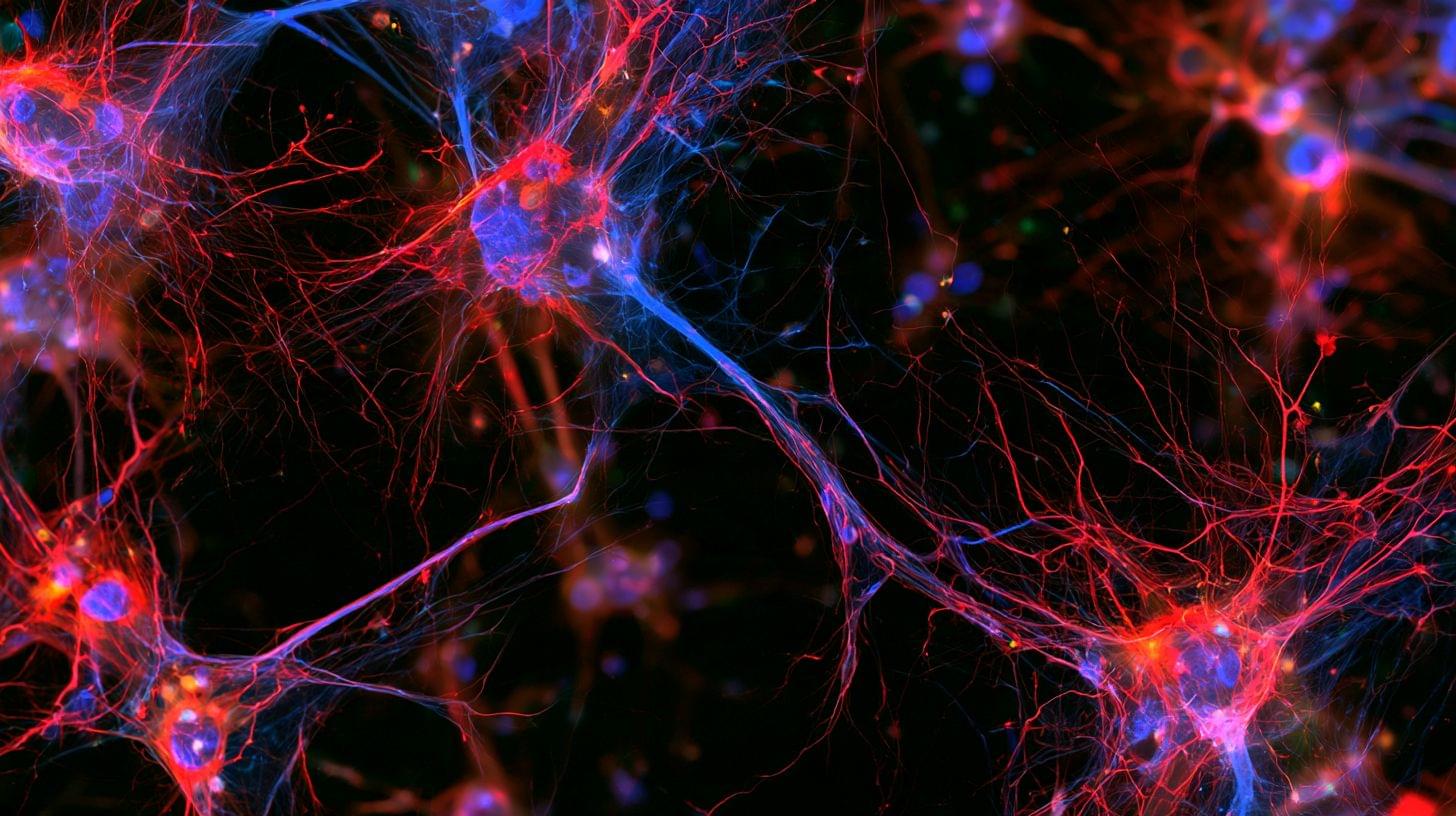
Summary: Researchers at the University of Oxford have discovered that human microglia can selectively prune away toxic alpha-synuclein aggregates from dopamine-producing neurons without destroying the host nerve cells. Utilizing co-cultures of human induced pluripotent stem cell (iPSC)-derived neurons and microglia, the team demonstrated that microglia employ “trogocytosis”, a precise cellular nibbling mechanism, regulated by GPNMB, P2RY12, and CD22 signaling pathways, along with an IL-10 molecular brake. The findings identify a distinct, neuroprotective microglial subtype that shields neurons in Parkinson’s disease.