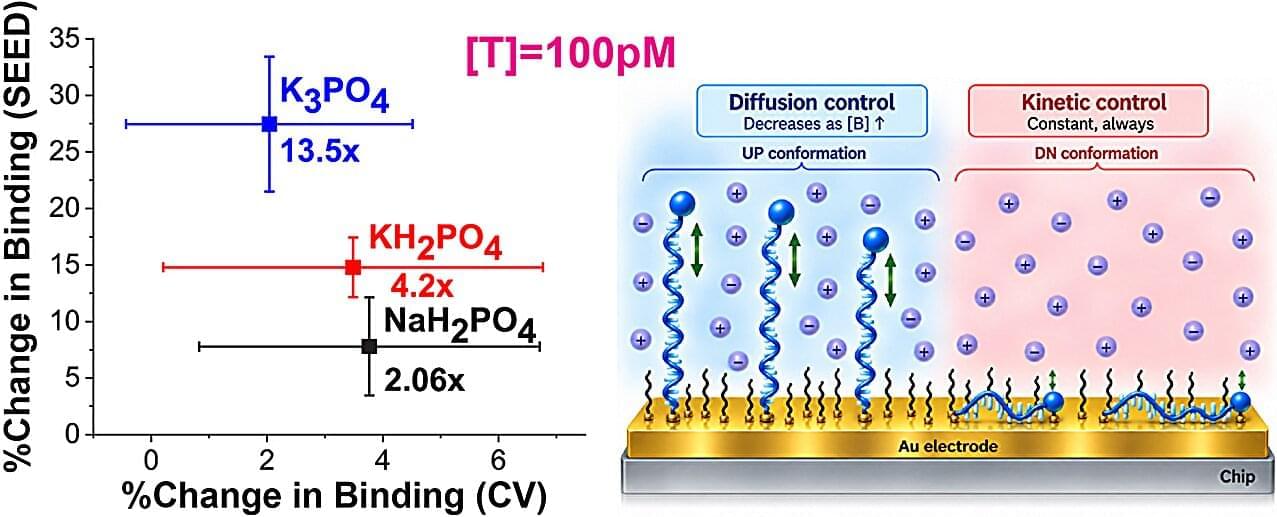
A reaction on a single electrode can tell scientists a remarkable amount about the chemical nature and number of analytes involved. The challenge comes when they want to distinguish many reactions on the same electrode. After more than a decade of trying to overcome that limitation, Ravi Saraf and his Nebraska Engineering graduate students have demonstrated a way to quantify many reactions on the same electrode without sacrificing extraordinary sensitivity.
The advancement, Saraf said, could lead to better early diagnoses of diseases such as cancer and improved assessment of injury from exposure to high-energy radiation.
“It is certainly one of the more exciting things I’ve done,” said Saraf, Lowell E. and Betty Anderson Distinguished Professor of chemical and biomolecular engineering.