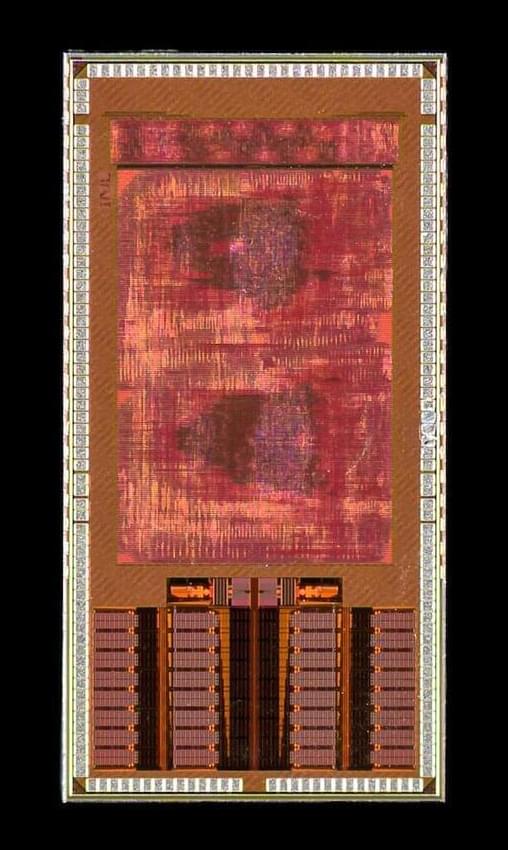
Deep brain stimulation (DBS) is a therapeutic technique that delivers electrical pulses to specific areas of the brain via an implant to modulate neural activity. It is already widely used for movement disorders such as Parkinson’s disease, and researchers are increasingly exploring its potential for severe psychiatric illnesses including major depression, posttraumatic stress disorder and obsessive-compulsive disorder.
However, most existing DBS systems operate in what engineers call an “open loop” manner: stimulation is delivered according to predefined settings rather than continuously adapting to the patient’s brain activity. Even among closed-loop, or adaptive, systems, many rely on signals recorded from a single brain region. This is a major limitation for psychiatric disorders, where clinically relevant information may be distributed across networks of interacting brain regions.
“Our work is based on the growing body of research suggesting that psychiatric disorders arise more from disruptions in communication between brain regions than from dysfunction of any single region,” explains Mahsa Shoaran, head of the Integrated Neurotechnologies Lab in EPFL’s School of Engineering and Neuro-X Institute.