For a hiker who unwittingly brushes the leaf of poison ivy, weeks of suffering can start within a few hours, when an itchy red rash appears at the contact site. In the days that follow, blisters erupt and the urge to scratch can become maddening. Even after the blisters begin to burst and crust over, the skin will need days more to heal.
Unpleasant encounters with poison ivy and its noxious relatives are common, but they have long posed a biological puzzle. Immune warriors called T cells drive the inflammation and itch, known as allergic contact dermatitis. Scientists long thought T cells only respond to protein fragments, or peptides. But urushiol, the main skin-irritating substance made by poison ivy and its kin, is a mixture of lipids, compounds related to fats and waxes.
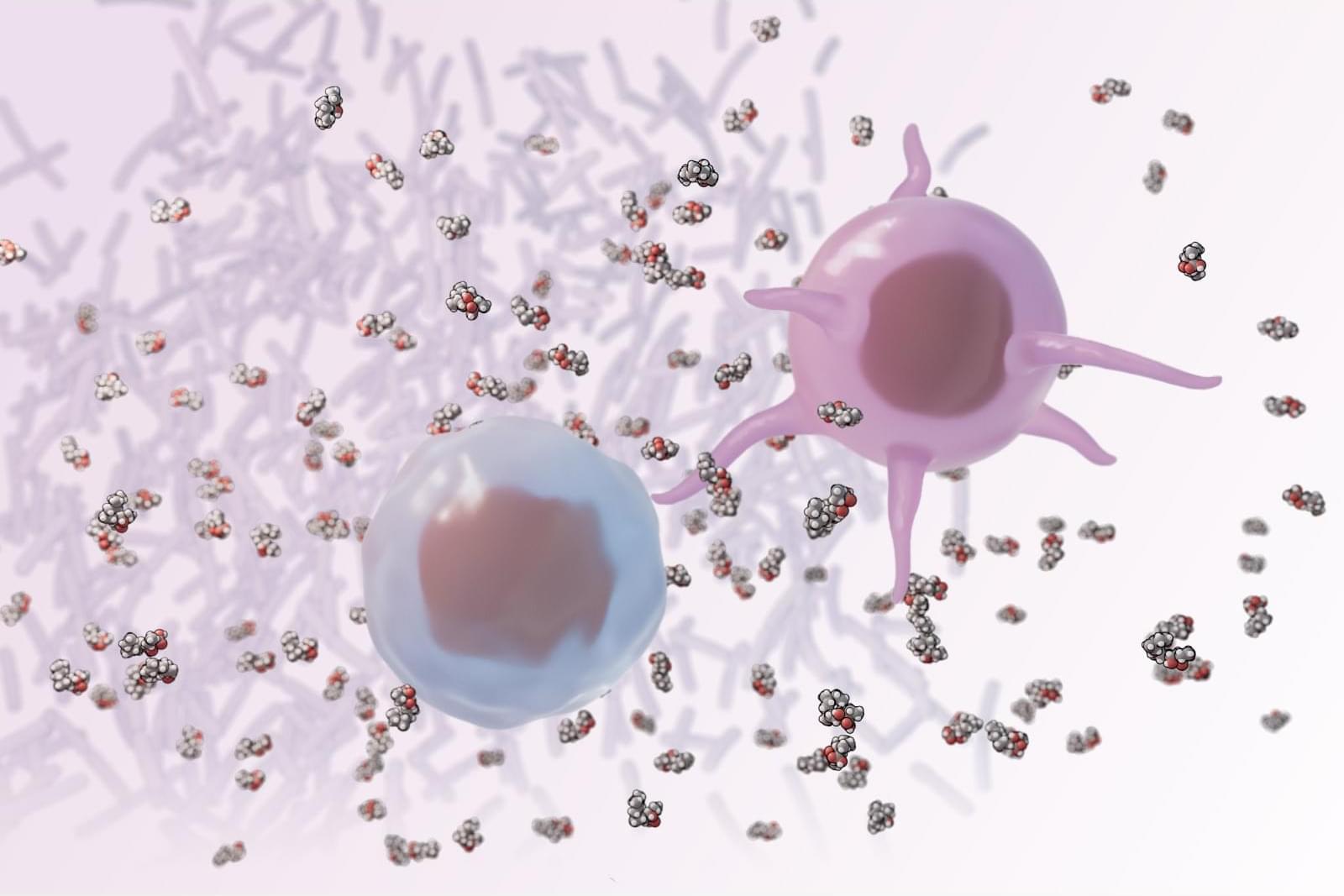
Scientists may now have an explanation that involves an unsung branch of our immune system that keeps track of lipids with help from a cell surface protein called CD1. Lab animal studies suggest components of urushiol bind to CD1 on sentinel cells within the skin. This interaction may ultimately rouse T cells to release inflammation-inducing molecules (see graphic, below). Although that mechanism hasn’t yet been confirmed for poison ivy rash, researchers have amassed strong evidence that the CD1 system drives other human skin conditions, including the painful welt sparked by a bee or wasp sting and the rash some people develop when they encounter dust mites. CD1-sporting cells may also promote gut inflammation in ulcerative colitis and Crohn disease.