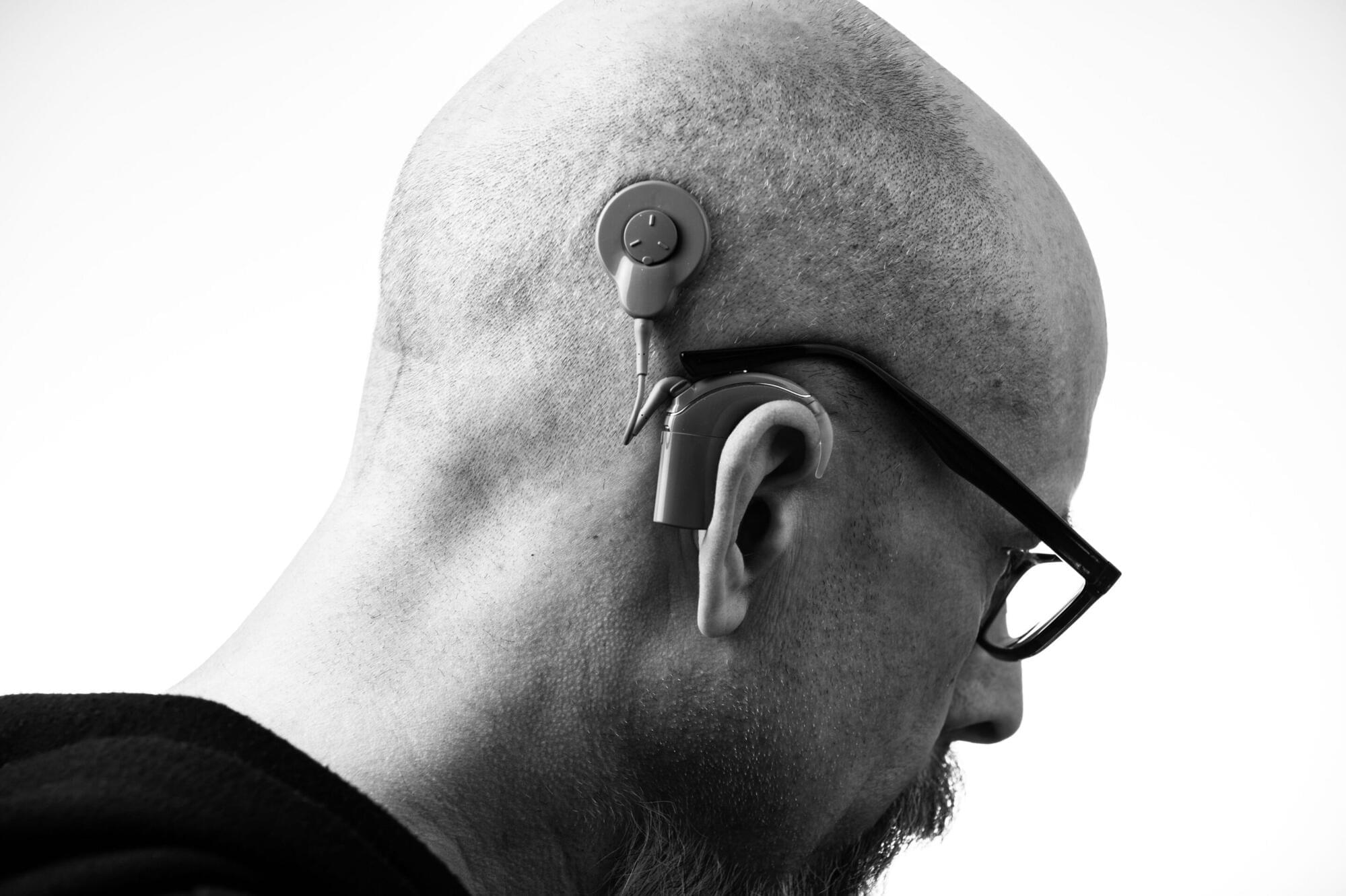
People who live long enough have a high chance of losing some of their hearing as they grow older. By age 60, about one in three adults has presbycusis, an age-related decline in hearing caused by changes inside the ear, including the loss of sensory hair cells and damage to the auditory nerve. Hearing aids can help bring sounds back into reach, making conversations easier to follow and helping older adults stay connected with the people around them. Some studies have found that hearing loss is linked to a higher risk of cognitive decline and dementia.
A recent study from China explored whether treating hearing loss with hearing aids could do more than improve hearing, potentially slowing the progression from mild cognitive problems to dementia-level impairment.
The researchers designed the two-year CHOICE trial (Chinese Hearing Solution for Improvement of Cognition in Elders) to track changes in cognitive impairment among 703 participants with both moderate-to-severe hearing loss and mild cognitive problems. Participants were randomly split into two groups: One half received hearing aids, and the other half received health education on hearing care and cognitive health.