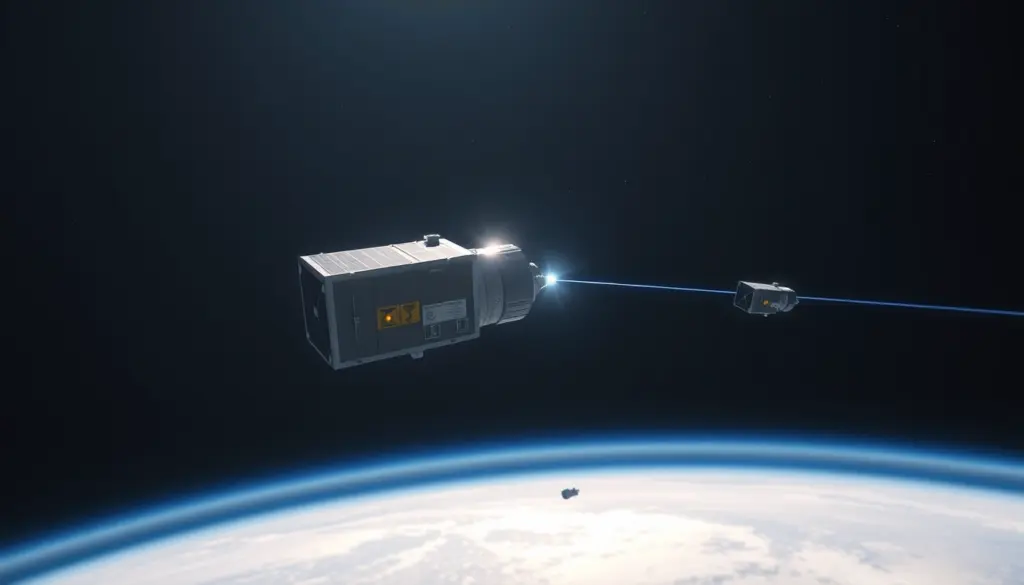
Planet built its business on Earth-imaging satellites, not AI accelerators, which makes the pairing worth a second look. The company’s own statement on the deal frames it less as a subcontracting job and more as co-ownership of the research question. Planet said it was pleased to announce its participation in Google’s Project Suncatcher, calling it a bold research initiative to explore building scalable machine learning compute systems in space, according to Planet’s own announcement.
Planet brings something Google doesn’t have in-house at scale: a working satellite bus manufacturing line and an existing relationship with launch providers. Google supplies the chips and the machine learning workload. Planet supplies the spacecraft, the power system, and the operational experience of actually running satellites day to day. Satellite imaging companies like Planet already solved a version of this problem, keeping sensors cool, powered, and pointed correctly in orbit, which is a large part of what an AI-compute satellite also needs. That division of labor is probably why the partnership extends into the 2027 mission rather than ending after MVP.
The hardest unsolved problem in orbital computing isn’t the chips, it’s the wiring. Training large models on Earth depends on extremely fast links between GPUs and TPUs sitting centimeters apart in the same rack. Spread that same cluster across satellites orbiting hundreds of kilometers apart, and the interconnect problem changes entirely. Google’s answer is optical: the satellites will communicate via lasers, according to Google’s fact sheet, rather than conventional radio-frequency links.