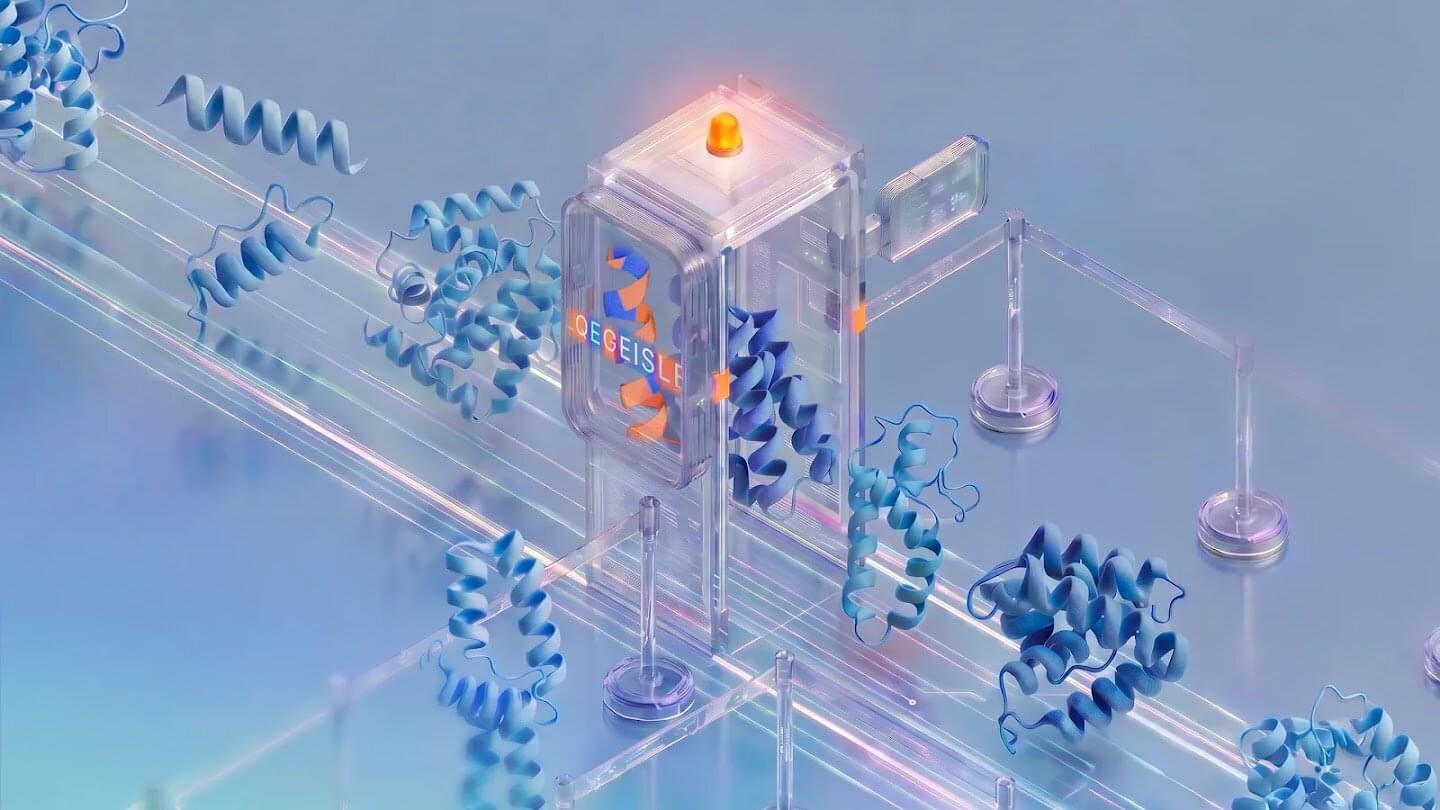
Watermarks have long protected everything from bank notes and fine art to digital photographs and software, helping prove authenticity and trace an object’s origin. Their main function is to protect copyright and verify authenticity.
That same traceability is needed in synthetic biology, where AI is now a useful research tool. To address this, Google DeepMind has introduced SynthIDBio, a method for embedding invisible signatures directly into biological sequences and 3D structures without interfering with their function.
AI is actively designing new functional proteins and predicting their three-dimensional shapes. But along with the benefits come a host of potential problems. These include biosecurity risks, such as the potential misuse of AI-designed biological molecules, and the spread of fake or misleading scientific data.