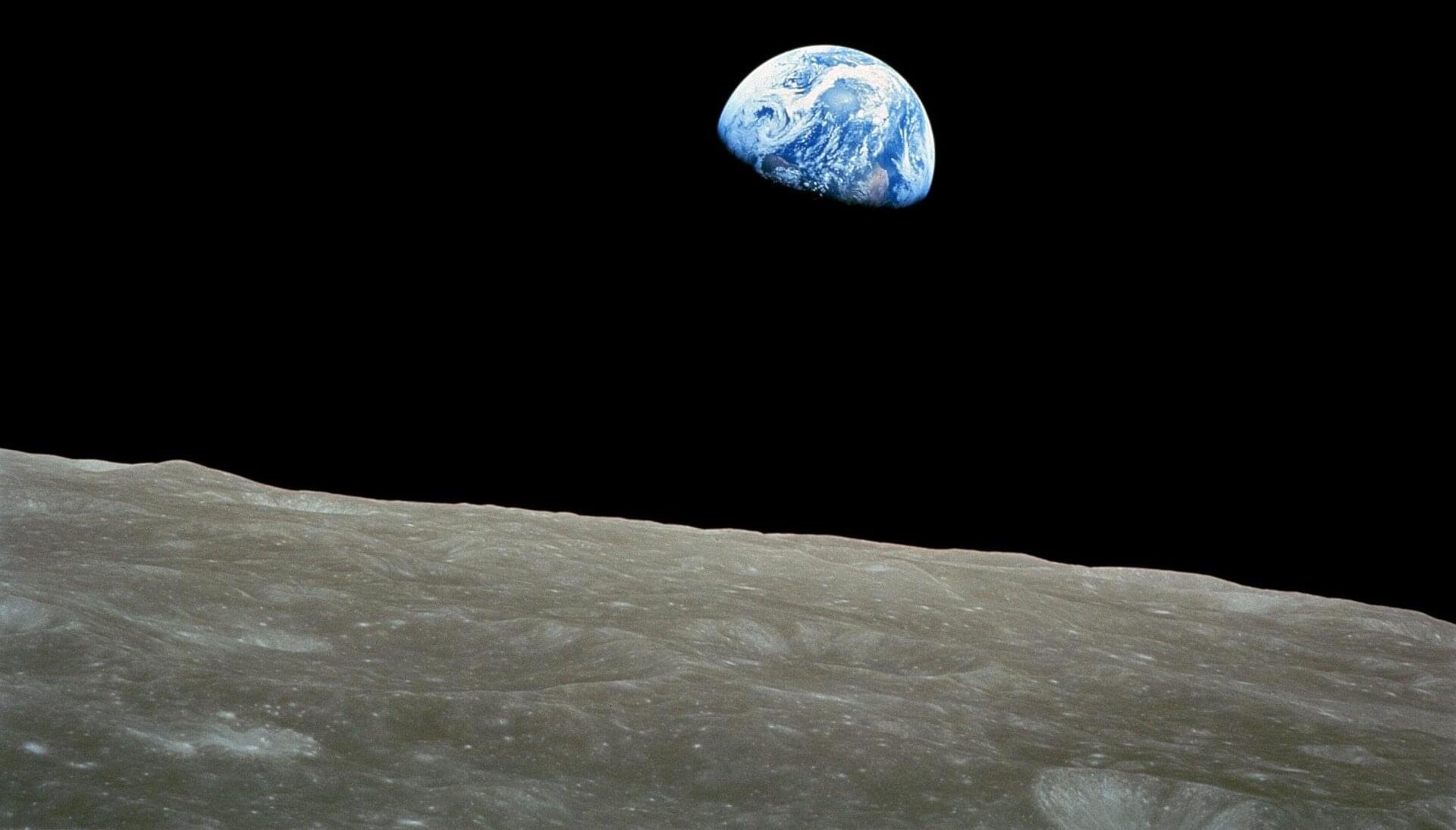
Planning a successful trip can be challenging, especially when your destination is in outer space. Even before liftoff, space missions require extraordinary amounts of scientific preparation and data analysis to succeed, which can take years to complete. However, as space agencies race to establish a permanent presence on the moon, using artificial intelligence to combine such information into a single system could make mission planning much more efficient.
One such system, developed by Gokce Inal, a Ph.D. candidate in civil, environmental and geodetic engineering at The Ohio State University, is an AI framework designed to help scientists evaluate potential lunar landing sites, identify dangerous hazards future crews might face, and scour new regions for scientifically valuable geologic features.
“AI systems are going to become critical tools for space exploration that will help humans analyze the millions of images and data sets that future missions will require,” she said. “This work is meant to serve as a bridge between those two worlds, AI and planetary science.”