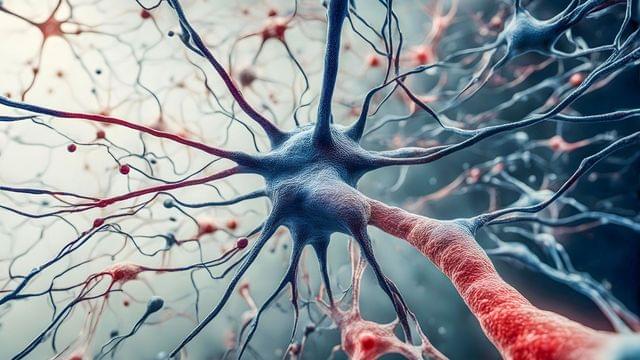
“A lot of the previous work in this area has been epidemiological in nature, without much focus on the molecular mechanisms that actually underpin the connection between infections and ALS,” says Ahmed, who co-first authored the new paper with Miller Lab alumni Art Marzok and Jonathan Mapletoft. “What makes our study unique is that we did take a mechanistic approach — we explored why this connection might exist.”
What the researchers found was that even common respiratory viruses that do not infect neurons can leave lasting changes to the nervous system.
In their animal models, Miller’s team observed that COVID-19 and flu infections triggered an inflammatory response from immune cells in the nervous system — a process called gliosis — that remained elevated in the spinal cord even after the virus had been cleared from the body. Gliosis, Ahmed notes, is already known to play an important role in ALS, but the findings suggest that an infection may amplify this process, helping to accelerate the disease.