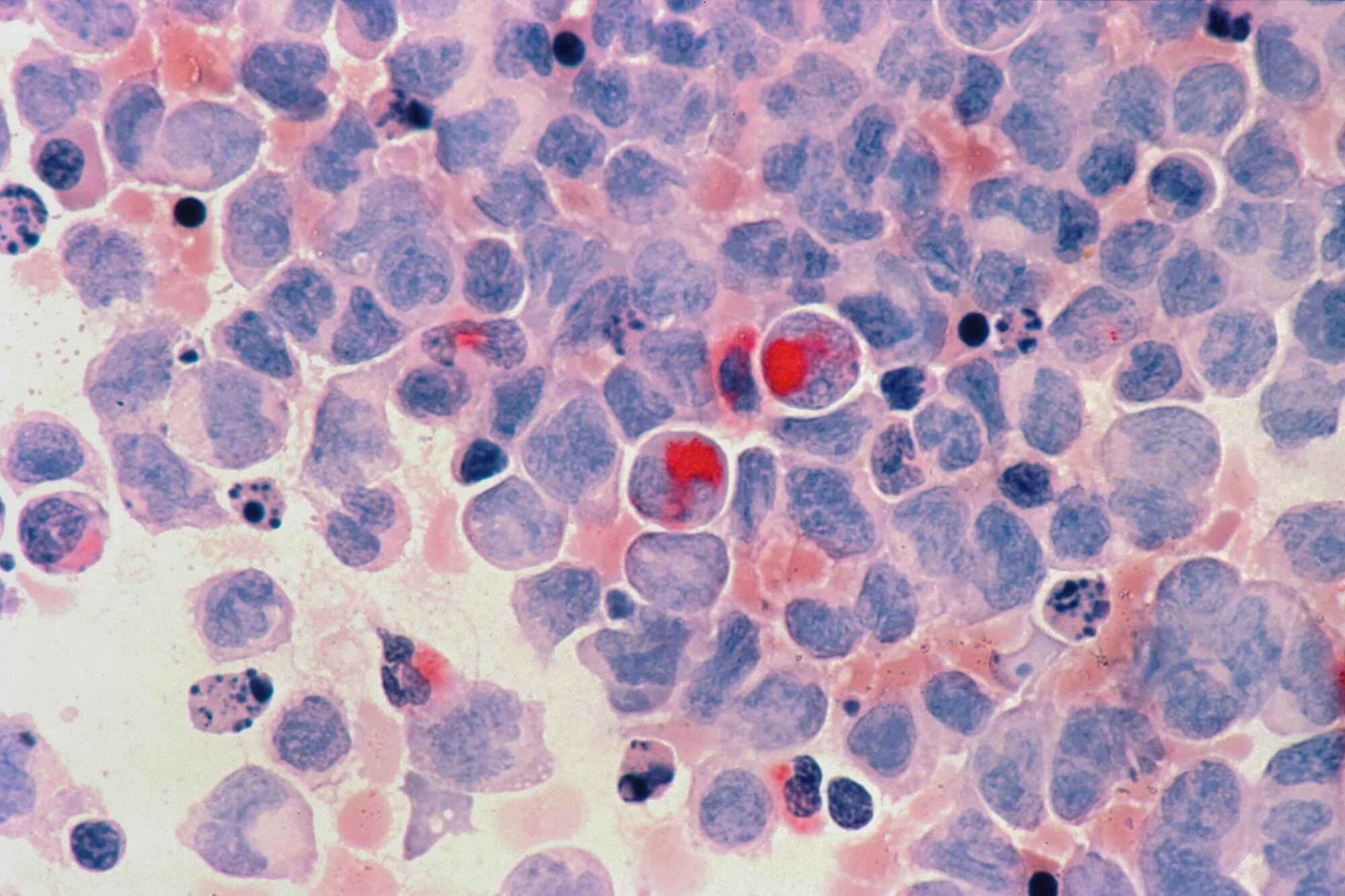
Experts from the University of Nottingham have discovered how a common genetic mutation disrupts the positioning of a key protein during cell division, revealing a new mechanism behind acute myeloid leukemia and a potential avenue for future treatment.
Acute myeloid leukemia (AML) is an aggressive blood cancer that disrupts the production of healthy blood cells. Around one-third of patients carry a mutation in a gene called NPM1, which causes its protein to accumulate in the wrong part of the cell and plays a key role in driving the disease.
Until now, research has largely focused on how the mutated protein moves between the cell’s nucleus and the surrounding cytoplasm. But a new study, led by Dr. Daniel Booth and Dr. Claire Seedhouse at the University of Nottingham’s School of Medicine, reveals that what happens during cell division itself is also critical.