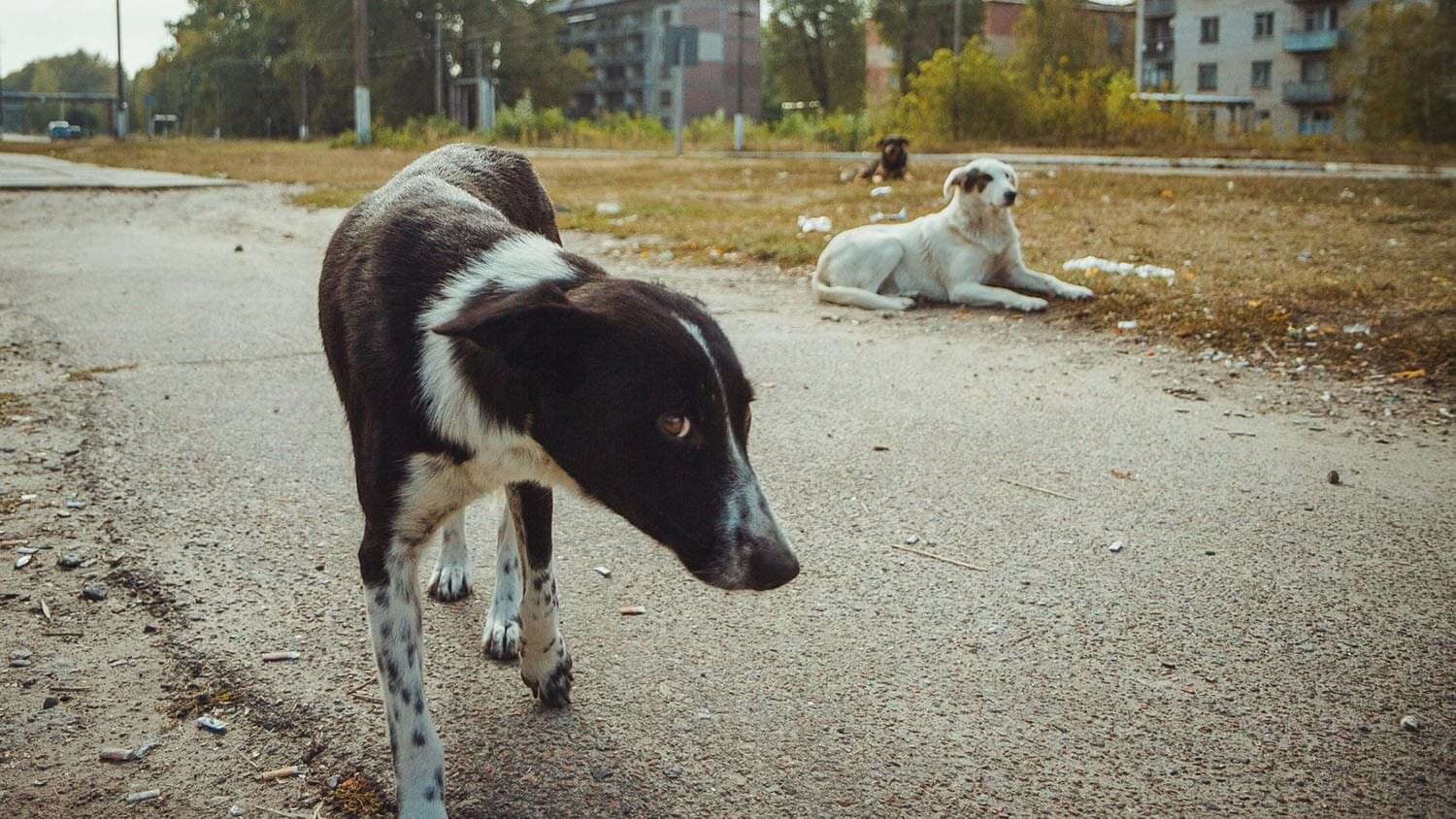
The latest research on the wild population of dogs in Chornobyl reveals that the genetic differences between these dogs and other similarly isolated dog populations are likely evidence of directional selection, not mutation. The work suggests a potential association between genetic selection and environmental variables and could advance understanding of local adaptation and genomic resilience in contaminated environments. The study appears in Genes.
Previously, researchers had looked at genetic differences in two populations of dogs: one located at the Chornobyl Nuclear Power Plant (NPP) and the other in Chornobyl City, approximately 10 miles (16 kilometers) away. They found that the genetics of Chornobyl City dogs were very similar to dog populations in Russia, Poland and the surrounding areas, whereas those from the NPP had some distinct differences—specifically in regions associated with DNA repair.
“This work ties up some of the loose ends from our previous work, where in characterizing the population’s genetic structure we found that while these two dog groups are geographically very close, they have a very high degree of genetic difference, and those differences aren’t due to mutation,” said Megan Dillon, a postdoctoral research scholar at North Carolina State University’s College of Veterinary Medicine.