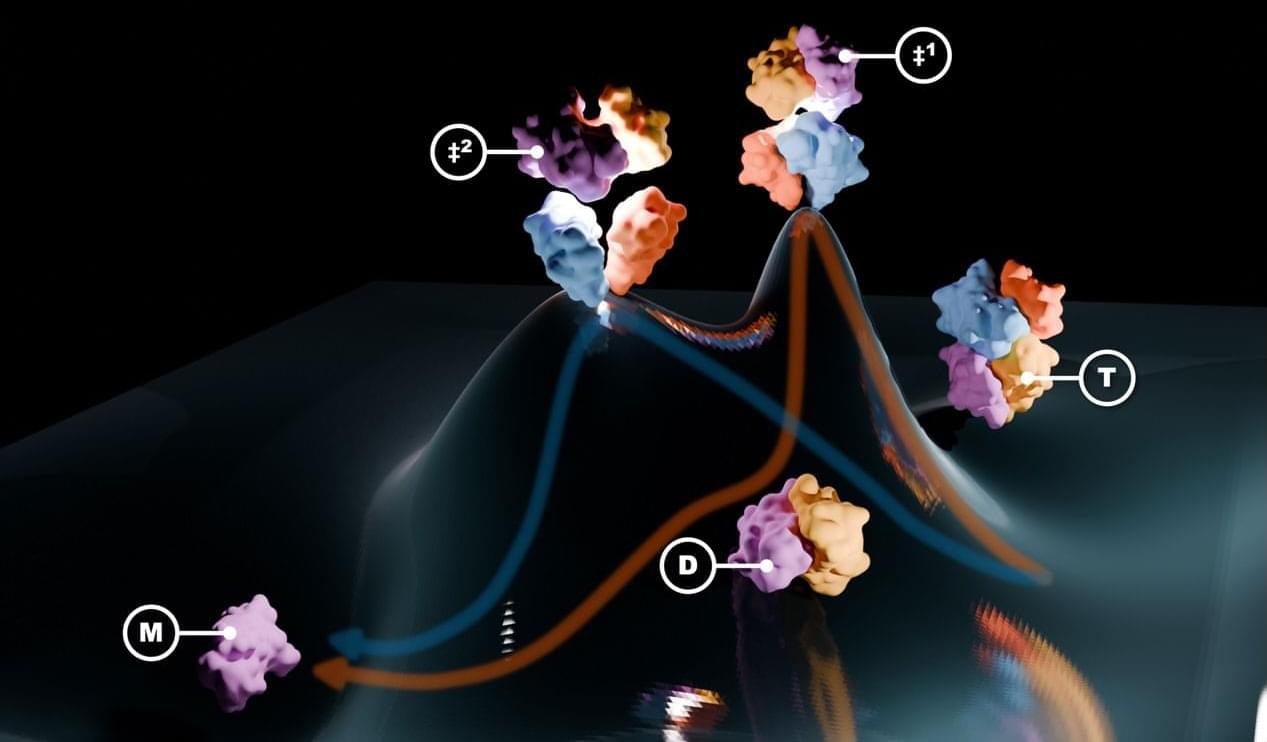
Researchers have found that acidic conditions may trigger an overlooked molecular process, offering new clues about how certain disease-causing protein mutations behave.
Scientists have discovered that a protein responsible for a potentially fatal disease can unravel through a previously unknown molecular pathway. The finding, reported by researchers at Scripps Research, could help explain why certain rare inherited forms of transthyretin amyloid disease (ATTR) behave differently and raises questions about how well existing treatments address them.
ATTR develops when the protein transthyretin (TTR) loses its normal structure, misfolds, and accumulates in organs, particularly the heart and nervous system. TTR ordinarily transports vitamin A and the thyroid hormone thyroxine through the blood, cerebrospinal fluid, and eye. Its structure consists of four protein units that can separate into pairs and eventually individual units capable of forming harmful aggregates.