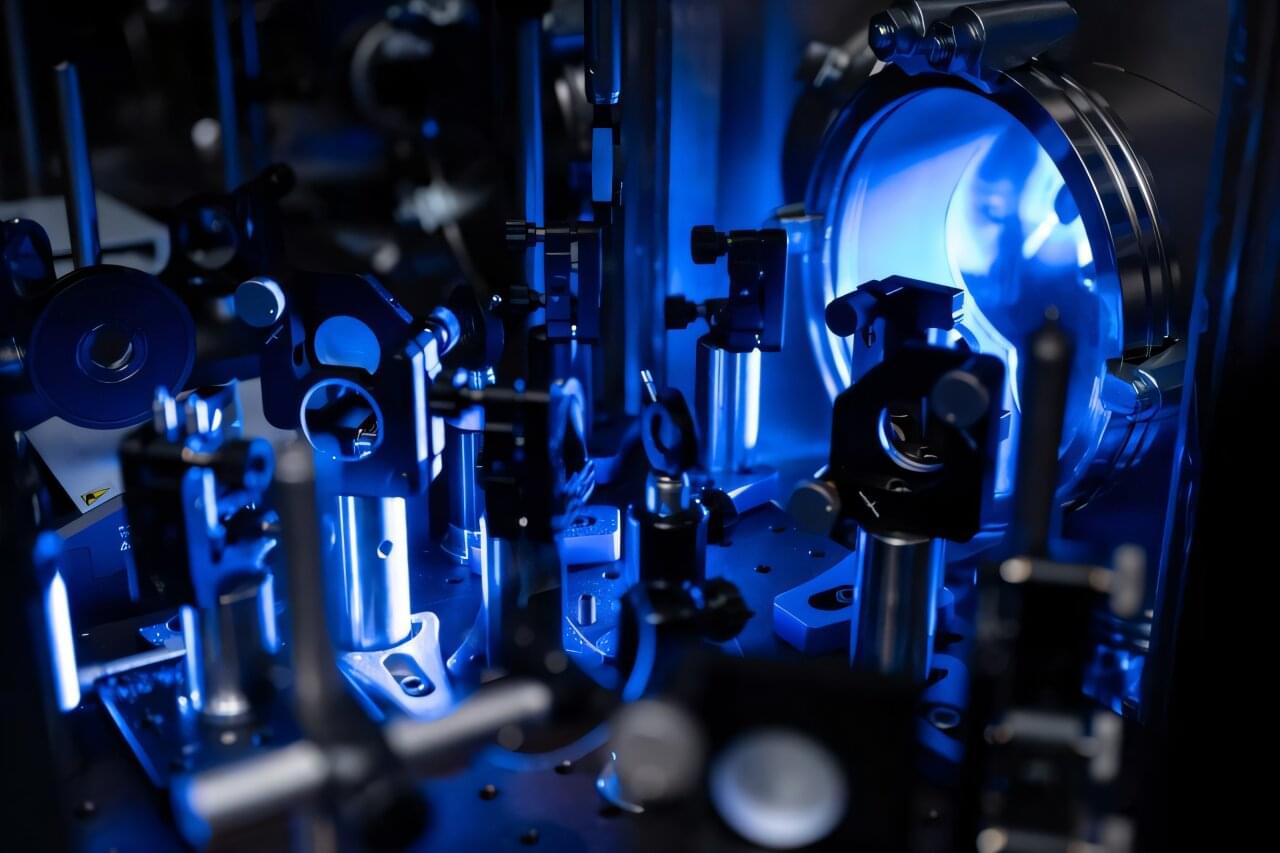
Using the same method, they were also able to excite electrons into quantum states that had previously been inaccessible in experiments.
This approach opens up new experimental avenues for identifying chiral structures, controlling interactions between light and matter and generating specific electronic quantum states, the researchers report in the journal Physical Review Research.