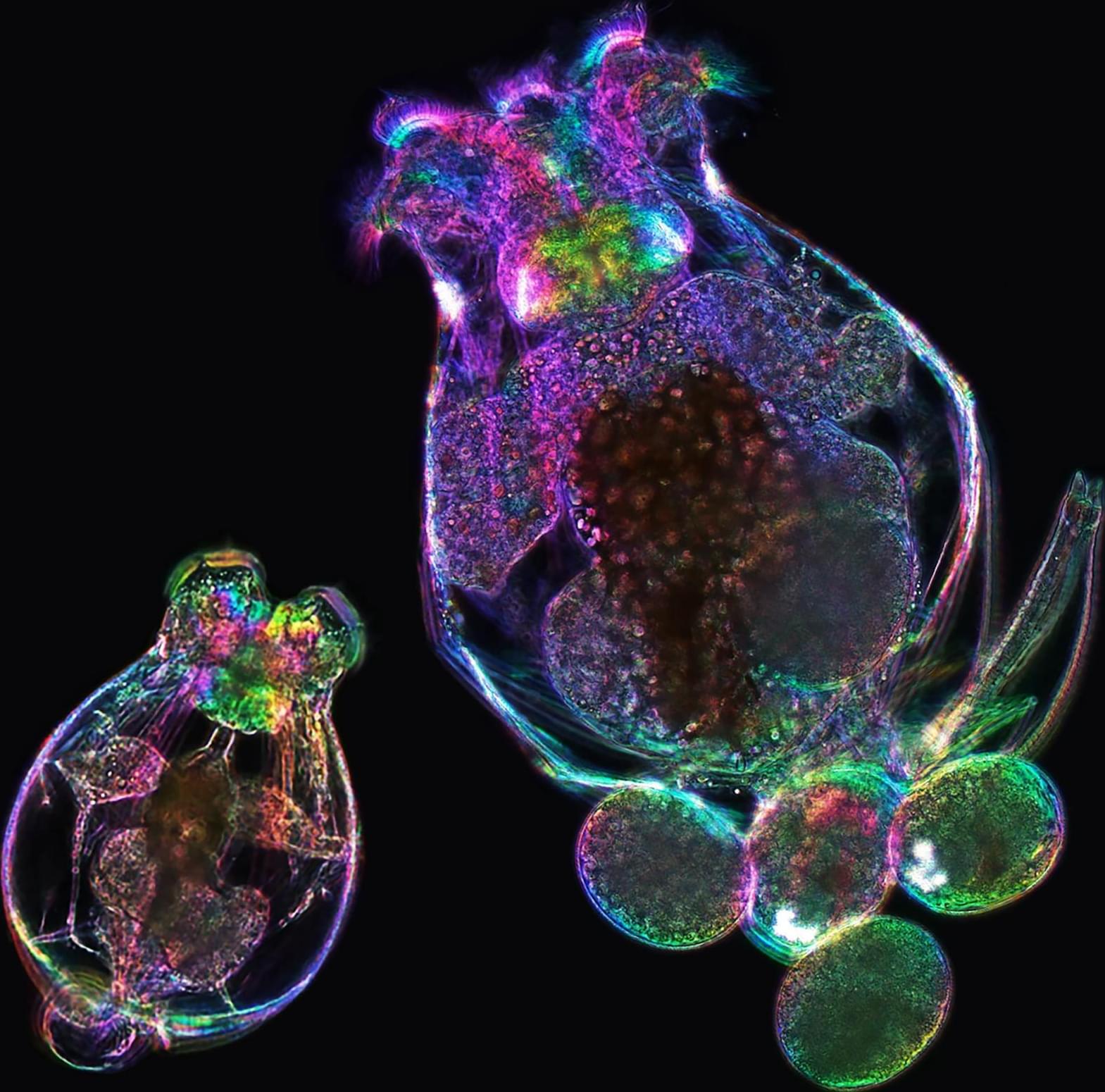
Maternal age effects may arise from reversible epigenetic changes whose impact depends partly on genetics and evolutionary pressures.
A mother’s age can leave a biological imprint on her offspring, influencing physical and behavioral traits across many animal species, including humans. These so-called maternal age effects are widespread, but scientists still do not fully understand the biological mechanisms behind them or why evolution has allowed them to persist.
“Maternal age effects are incredibly common, from invertebrates up through humans, elephants, other primates and other mammals,” said Kristin Gribble, an associate scientist in the Bay Paul Center at the Marine Biological Laboratory. “Nearly all forms of life show some level of maternal age effect, and most are negative effects caused by advanced maternal age.”