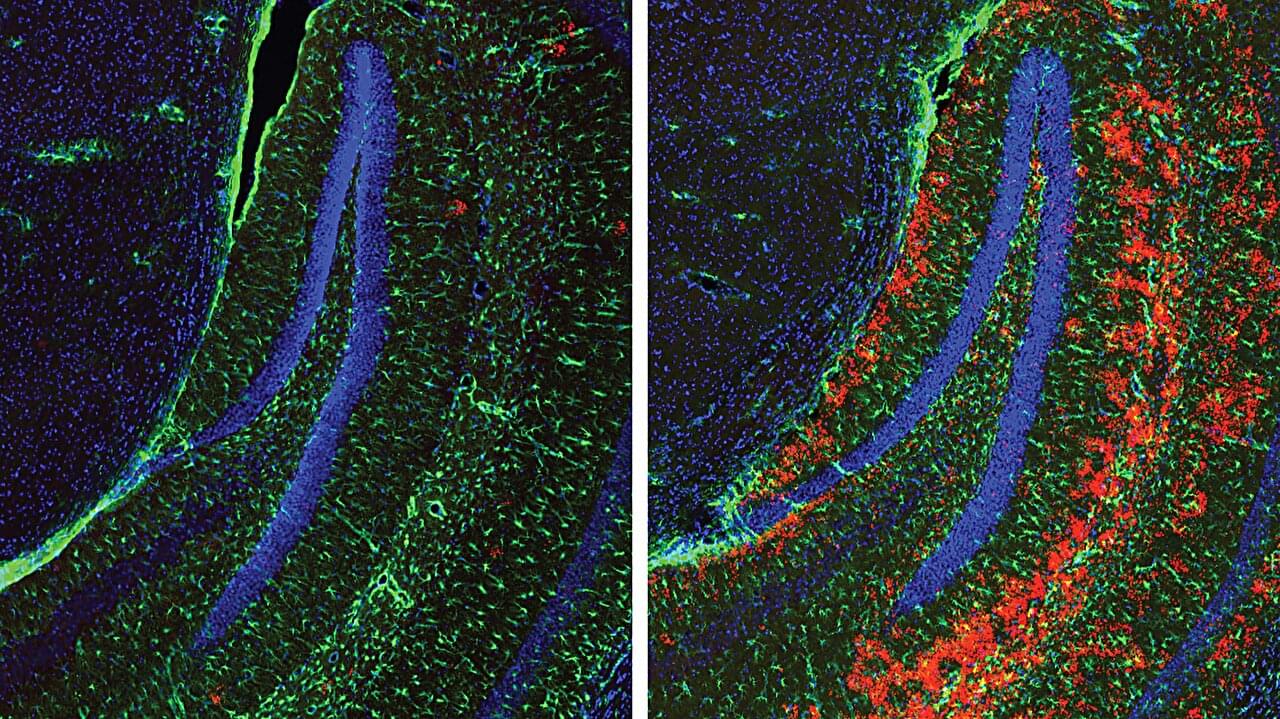
Researchers at the University of Cambridge and the MRC Laboratory of Molecular Biology have discovered a previously unknown cellular defense system that protects the brain from abnormal glycogen accumulation, which is linked to severe neurological disorders.
In a study published this week in Nature, Professor Felix Randow and colleagues showed that a protein called RNF213 plays a key role in identifying abnormal glycogen. RNF213 attaches a small molecular tag called ubiquitin directly to defective glycogen molecules. This tag acts like a “dispose of this” signal, triggering a cellular recycling process known as autophagy to sweep away and break down the damaged energy stores.
Glycogen is the main form in which cells store glucose for energy. Its complex, highly branched structure keeps it soluble while allowing cells to rapidly mobilize glucose when energy is needed. When cells assemble glycogen incorrectly, or when quality-control mechanisms fail, the sugar becomes poorly branched and settles into dense, insoluble clumps called polyglucosan bodies. Over time, these toxic deposits accumulate inside brain cells, causing irreversible tissue damage.