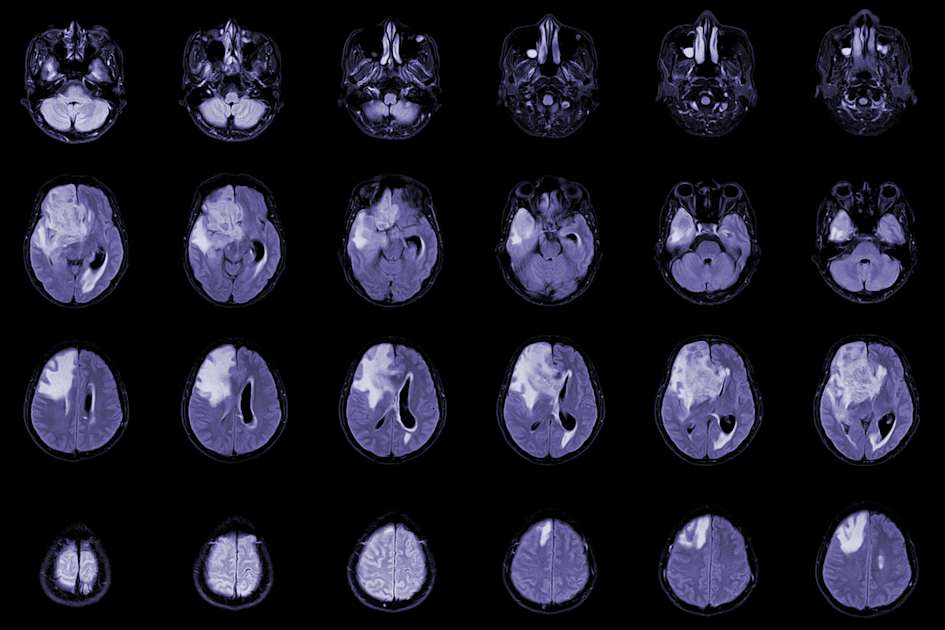
Furthermore, the researchers observed that in over half of the participants, the tumors stopped growing or reduced in size for as long as three years post-treatment—including one participant whose cancer has remained to this day in complete remission. B7-H3-targeting CAR-T cell therapy could bring new hope to patients living with treatment-resistant recurrent glioblastomas who currently have few, if any, options, the team says.
“We are excited about figuring out how to treat currently untreatable cancers,” says Lieping Chen, MD, PhD, United Technologies Corporation Professor in Cancer Research and professor of immunobiology and of medicine at Yale School of Medicine and one of the study’s co-principal investigators.
Collaborators on the study included a neurosurgical team at Beijing Tiantan Hospital led by Nan Ji, MD, and a team led by Gangxiong Huang, MD, at Tcelltech, a biotech company preparing clinical grade CAR-T cells.