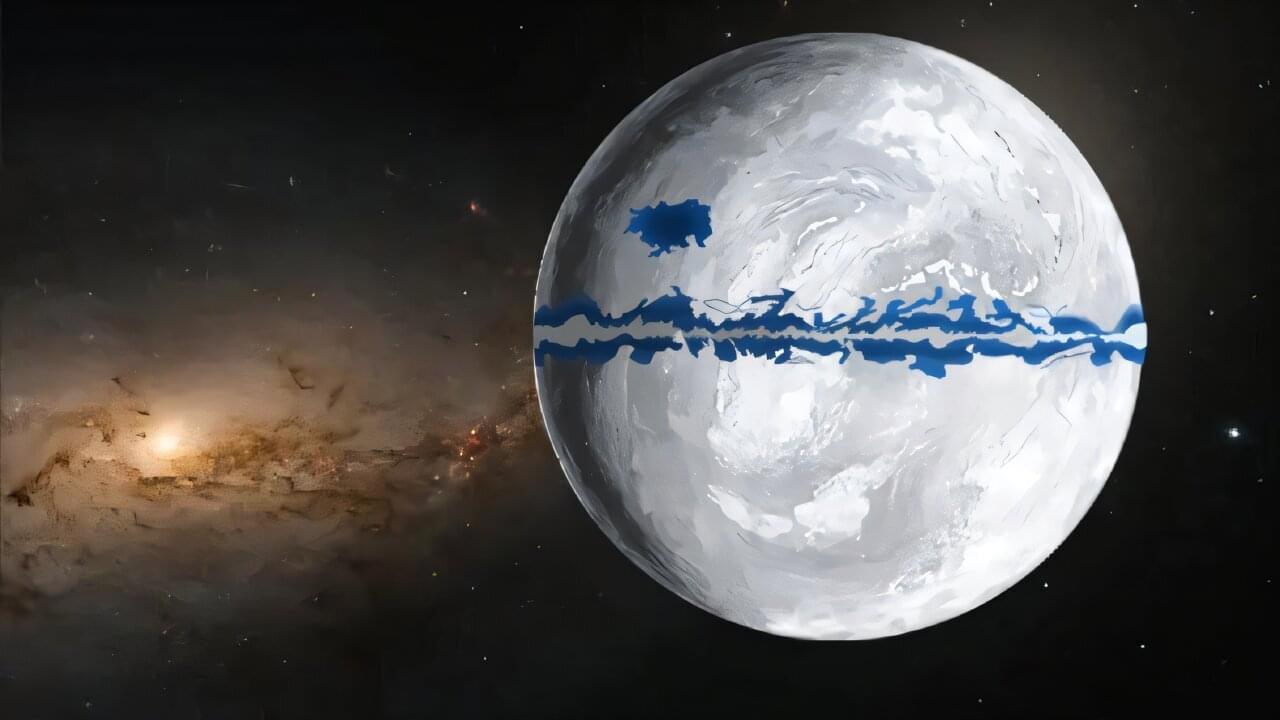
Earth may have been pushed deeper into a global deep freeze by something surprisingly ordinary: salt. Around 700 million years ago, Earth entered periods of extreme glaciation known as Snowball Earth, when ice is thought to have spread across much or potentially all of the planet’s surface. Scientists have long known that expanding ice could have helped drive this transition: As bright ice replaces darker ocean water, more sunlight is reflected back into space, causing the planet to cool further and allowing even more ice to form.
Now, Aksel Samuelsberg, from University of Tromsø—The Arctic University of Norway, and colleagues have identified another possible feedback that could have amplified this cooling: salt crystals accumulating on the surface of sea ice. Their modeling suggests that these crystals could have made the frozen surface even more reflective, helping temperatures fall rapidly during the early stages of a Snowball Earth event.