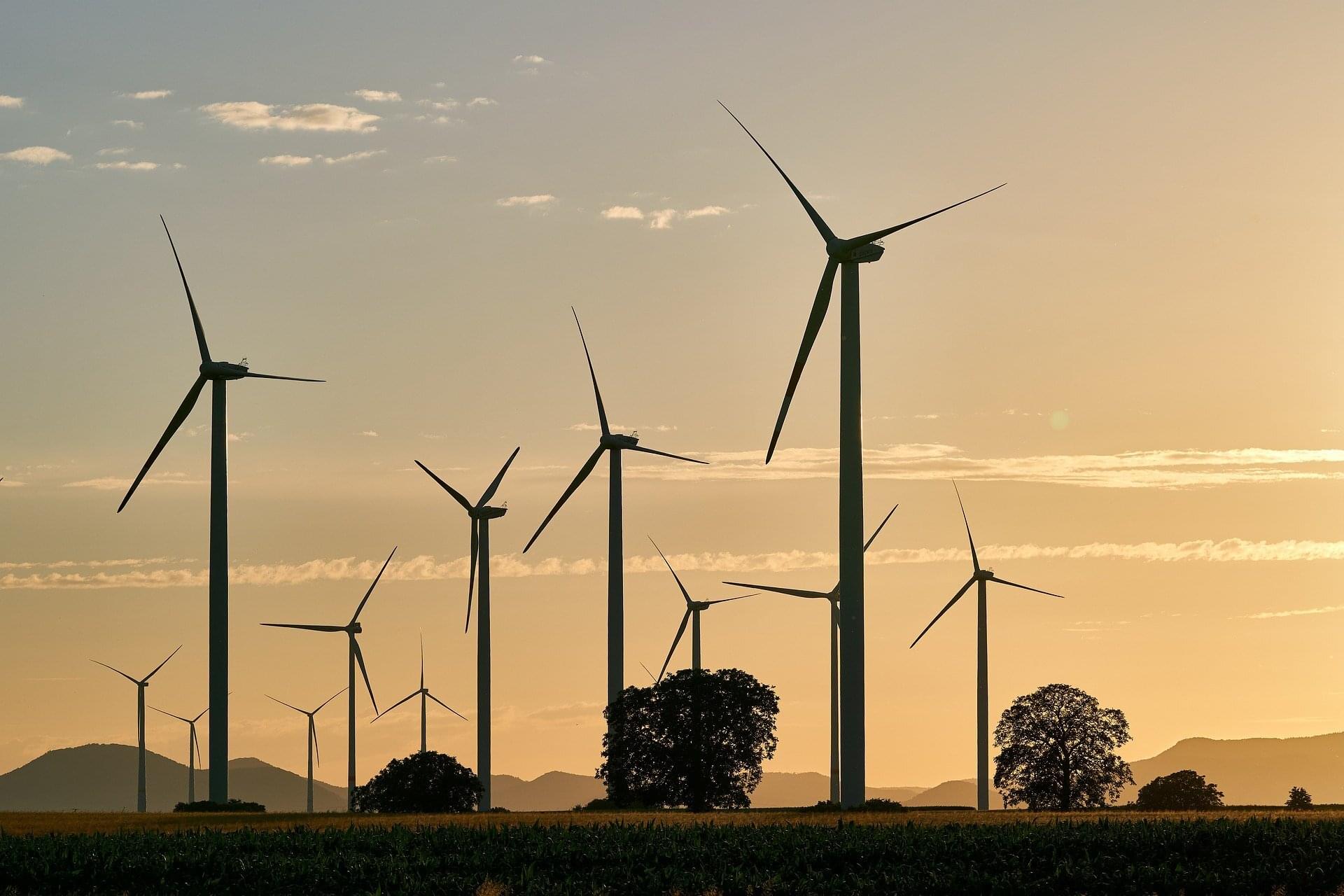
The world needs more wind energy. But anyone designing new wind turbines or trying to squeeze more power out of existing ones faces a stiff challenge when testing new approaches. That’s because the atmosphere is a tough place for a controlled experiment.
Some researchers use wind tunnels to conduct tests, but tests of scaled-down wind turbines in traditional wind tunnels can differ widely from field conditions. (Wind turbines are the largest rotating machines ever made.) The problem hampers not only the development of better wind turbines but also our understanding of basic questions like how much power to expect from a turbine when winds change direction.
In a new open-access paper published in PNAS Nexus, researchers closed the gap between experiments in the field and the lab by using a highly pressurized wind tunnel to simulate the flow physics of the atmosphere. With this approach, the researchers determined how the turbine’s alignment and its tip speed relative to the wind influence the power it generates, offering new insights into how to get more power from existing wind farms.