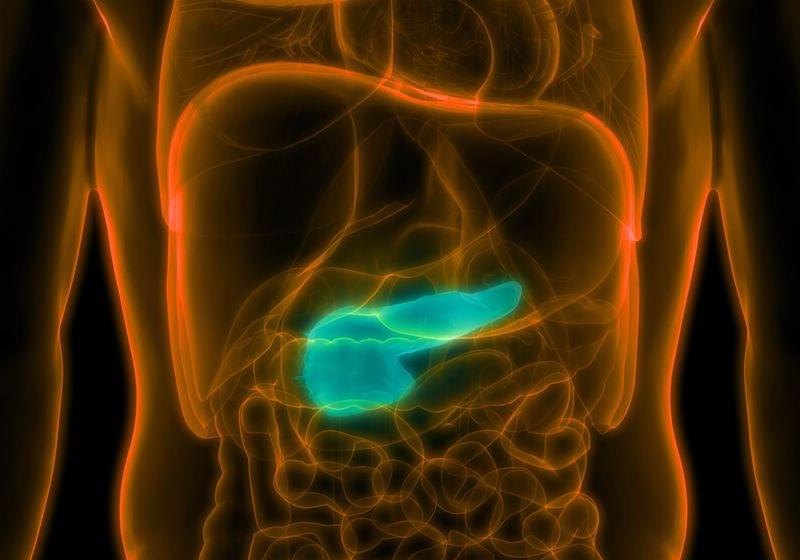
Pancreatic cancer is one of the most fatal malignancies, with one of the lowest cancer survival rates.1 The most common type of pancreatic cancer—called pancreatic ductal adenocarcinoma (PDAC)—starts in the cells lining the ducts that carry digestive enzymes out of the pancreas. A minority of pancreatic cancers also emerge within hormone-producing cells of the pancreas.
Pancreatic cancer often causes symptoms only after it has spread to other organs, leading to diagnoses in advanced stages and its high mortality rate. Another challenge that contributes to the low pancreatic cancer survival rate is the development of resistance to chemotherapy.2 The heterogeneity of the tumor microenvironment and its dense protective stroma promote its chemoresistance.
However, researchers are increasingly understanding more about pancreatic cancer, contributing to advances in vaccines against the condition and more effective treatment options including those in combination with chemotherapy. Read on to learn about breakthroughs and clinical findings that offer strategies to overcome the barriers posed by pancreatic cancer tumors.