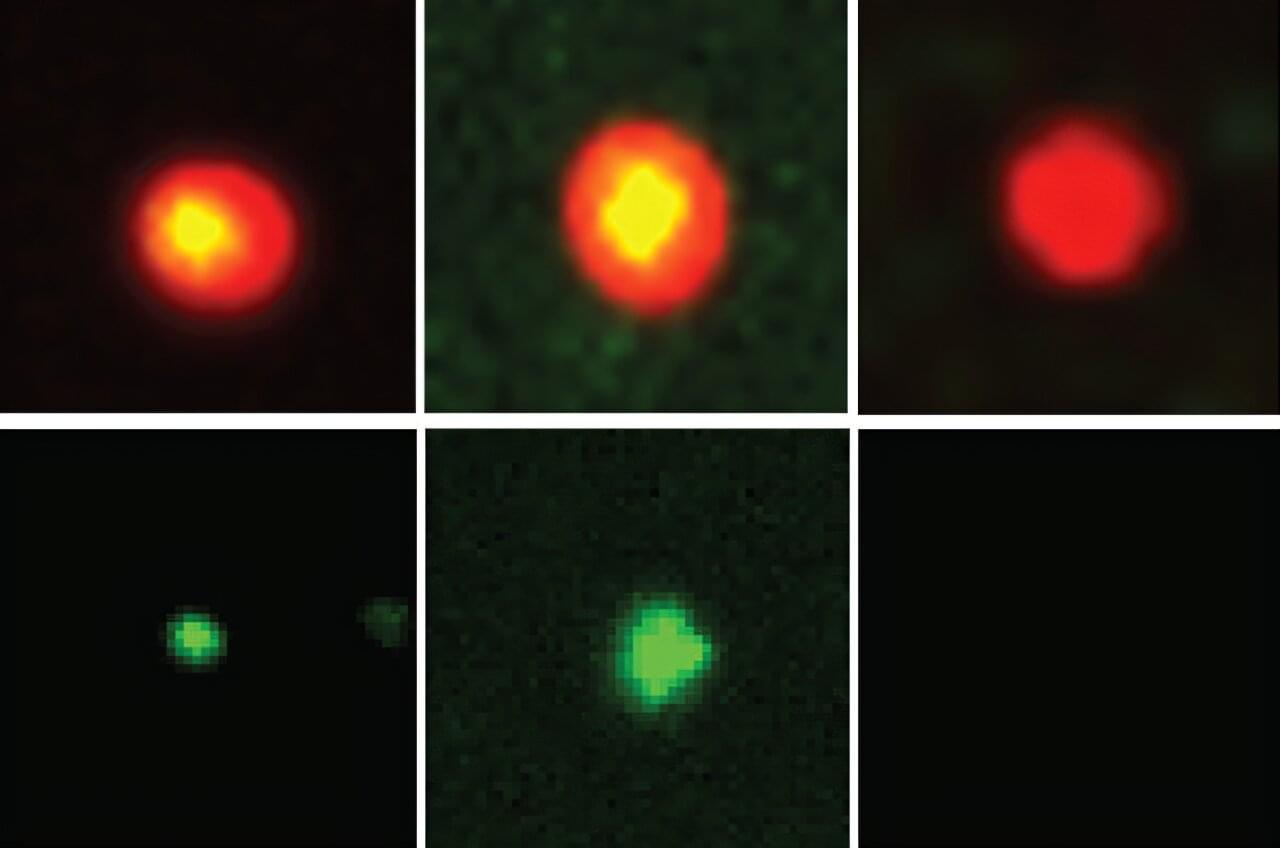
Viruses such as influenza A and dengue can hijack a cellular system that helps manage protein aggregates. Previous work by FMI emeritus group leader Patrick Matthias and his team showed that a small protein called ubiquitin plays an important role in this process.
The viruses rely on a free form of ubiquitin that is not attached to other proteins. This “unanchored” ubiquitin is also involved in immune responses and protein cleanup, but it has been difficult to study because researchers lack tools that can specifically detect it.
So, Matthias and collaborators at ETH Zurich set out to build a tool that could distinguish unanchored ubiquitin from other forms of the protein. Working with researchers in Guillaume Diss’s lab and the FMI structural biology facility, Longlong Wang—a former postdoc with Matthias—started with HDAC6, a protein that naturally binds unanchored ubiquitin. They improved the binding, then used computer-based protein design tools, including AlphaFold, to generate thousands of new versions. Their work is published in Science Advances.