In 1967, a solar storm nearly triggered World War III by jamming early-warning radar systems in the United States, causing U.S. leaders to think the Soviet Union was responsible. Though society averted catastrophe thanks to timely information from solar forecasters, the threat from space weather remains real.
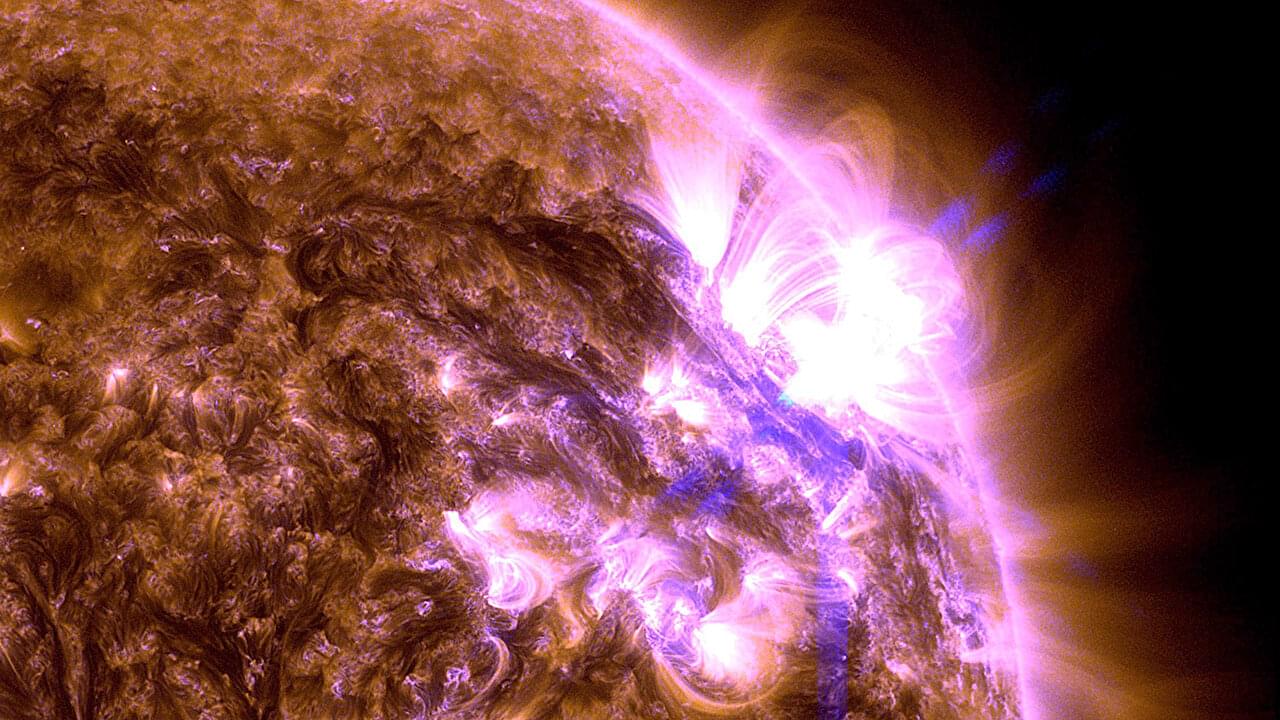
Solar, or geomagnetic, storms form as the sun expels plasma and magnetic fields from its corona during coronal mass ejections. After traversing space and encountering Earth’s magnetic field, the energy can interact with conducting materials such as the crust or ocean and induce geoelectric fields. The currents destabilize electrical transmission as they flow through extrahigh-voltage transformers that regulate voltage in the grid.
Yet despite their potential for havoc, geomagnetic storms are an underquantified threat. Existing socioeconomic assessments of space weather are often siloed by discipline and overlook the relationship between geophysical drivers and the function of the power grid.